
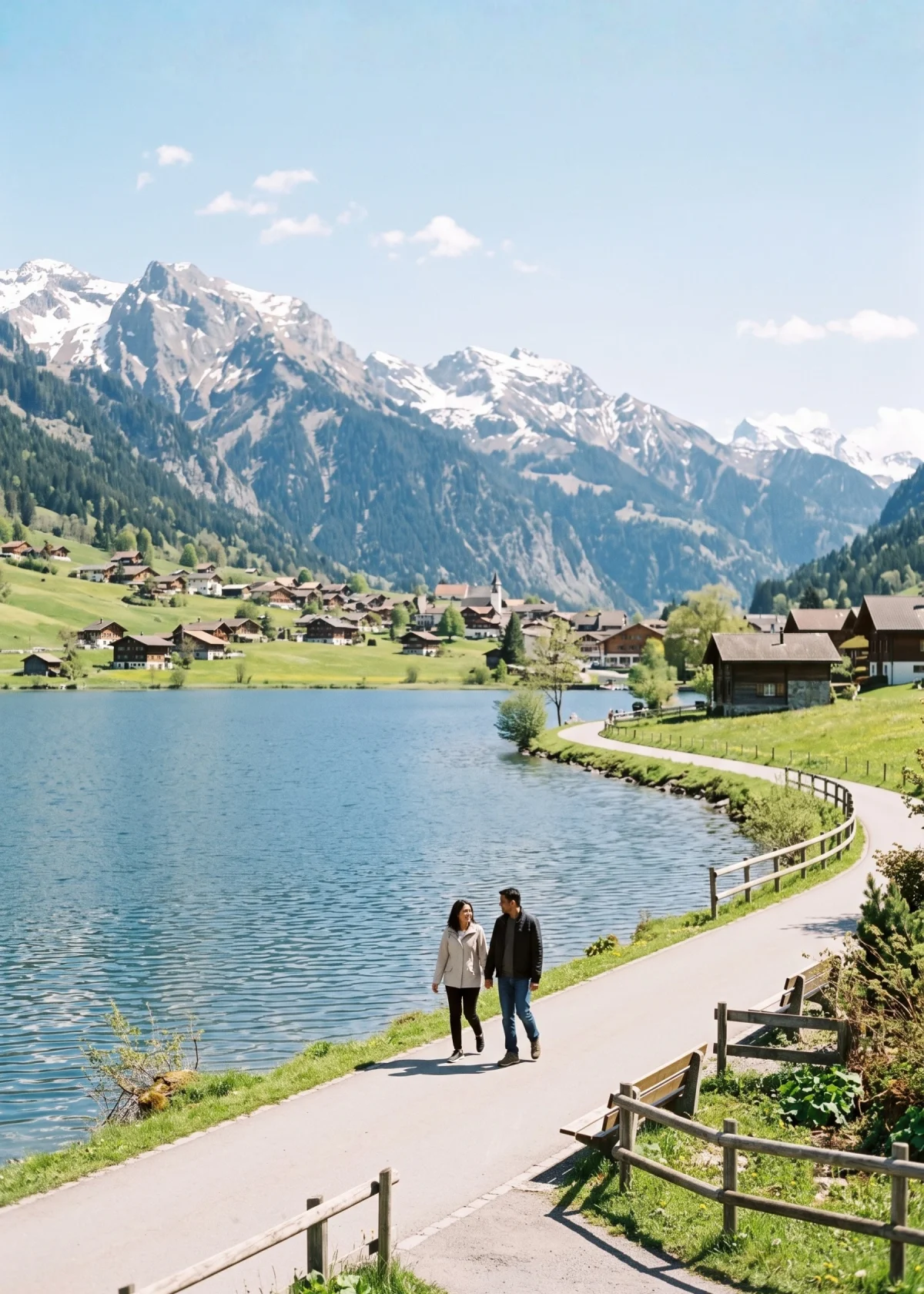
Most people planning a first Europe trip from India start by picking countries. It’s usually the wrong first decision. The best time to visit Europe changes your trip more than any itinerary does: how long your days are, how much you queue, what a hotel costs, whether a mountain pass is even open. Choose the month first and every later decision gets easier.
There’s no single winner, which is useful rather than annoying. Summer, shoulder season and winter each suit a different kind of holiday, so the real work is knowing which kind you’re planning.
Your Leave Dates Matter as Much as the Weather
Be honest about your constraints before you read a single weather chart. School holidays, a fixed block of annual leave, a wedding date, a visa appointment you can’t move: for many travellers these pick the month, and the weather gets whatever is left. The best time to visit Europe from India is partly a logistics question.
That’s fine. The useful question becomes how to make your dates work, not which date is ideal on paper. If June is your only window, you can plan around heat by choosing cooler regions. If it’s December, you can plan a festive trip instead of a generic one. Travelling with senior parents shifts things again, since mild weather and slower days matter more than a bargain fare, a point explored in taking your parents on an international trip for the first time.
Summer: Long Days, Big Crowds
June to August gives you the longest daylight of the year, which in practice means a full day of sightseeing and still enough light for dinner outside. It suits coastlines, lakes, alpine hiking and itineraries that hop between several cities, because transport runs on full summer schedules.
The trade-off is demand. Popular cities fill up, hotel prices climb, and Indian school holidays can push flight demand too. Heat is regional, not universal: parts of southern Europe can be punishing in July and August while the Alps or Scandinavia feel comfortable. “Summer in Europe” is several climates, not one.
Shoulder Season: Where May and September Earn Their Reputation
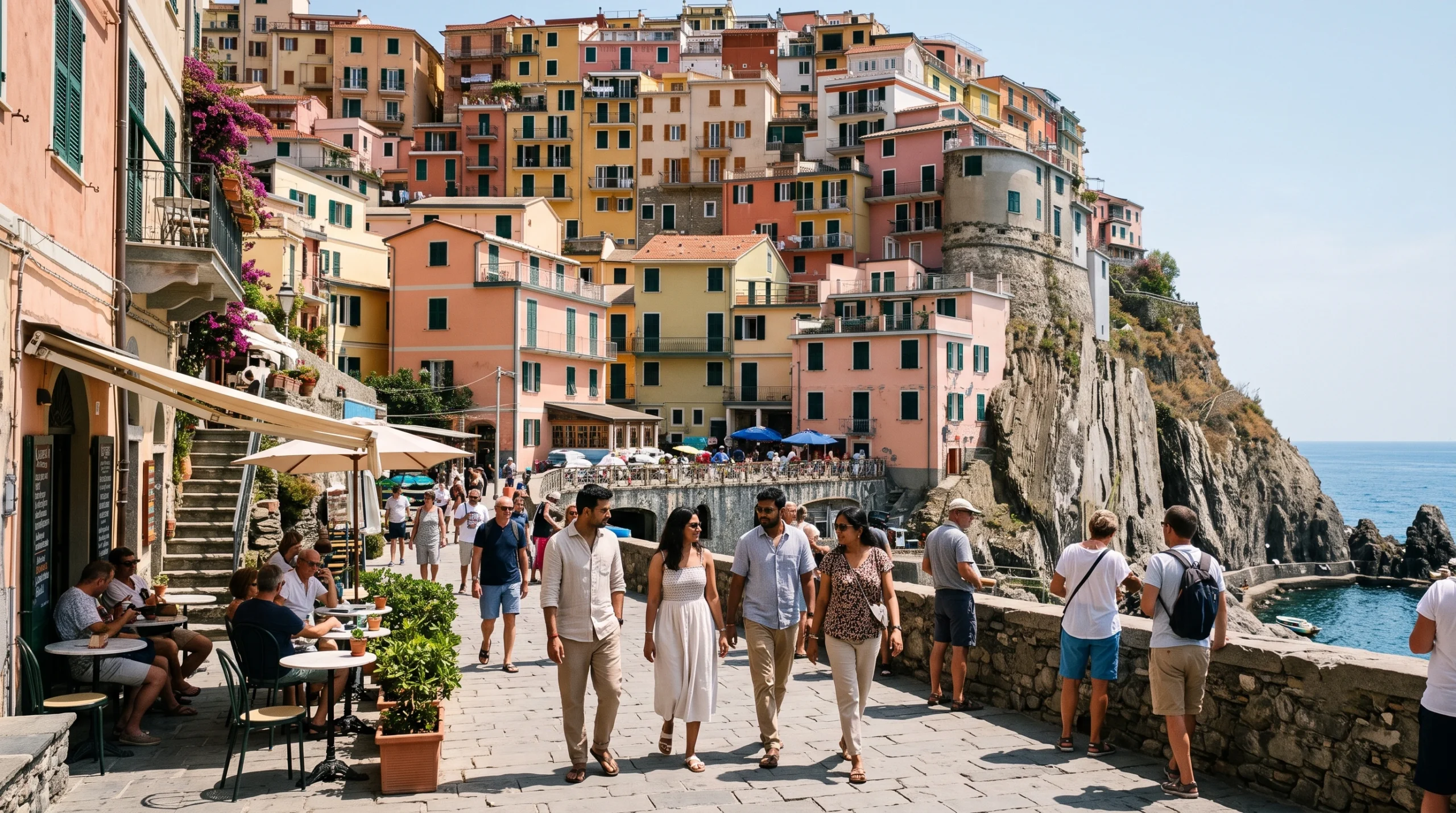
Shoulder season usually means spring and autumn, roughly April to early June and September to October, though the exact window varies by country. It’s the middle ground: milder weather, thinner crowds and easier hotel availability than midsummer. It guarantees none of those things. Search for the best month to visit Europe and May and September come up most often, for good reason, but many guides also call shoulder season the best time to visit Europe without admitting how much it varies by country.
Europe in May
Europe in May suits travellers who want long days without peak-summer heat. Gardens and lakes look their best, and cities are busy but not at July levels. Check the details, though. Weather can swing between warm and wet, and some high-altitude lifts and mountain passes in the Alps may still be on seasonal schedules or closed, so verify before building a route around them.

Europe in September
Europe in September works differently. Southern coasts often stay warm well into the month, European school terms restart so family crowds ease, and harvest season brings food and wine events. Days shorten noticeably by month-end, and big events can lift demand sharply. Munich’s Oktoberfest, for instance, starts in September and fills hotels well beyond the festival itself.
Neither month is automatically ideal. The choice usually comes down to spring greenery versus late-summer warmth, and to which region you’re visiting.

Winter: Two Very Different Trips
A winter trip is really one of two things. The first is general sightseeing in the cold months: shorter queues, shorter days and a need for proper layers. Daylight in northern cities can fade by mid-afternoon, so start early and keep indoor stops in reserve. Snow in a city isn’t something you can count on, and heavy weather can disrupt transport.
The second is a trip built around a winter experience, and those need their own timing. Christmas markets run only through Advent, so deciding which European cities are worth planning a trip around for their Christmas markets matters before you book flights. Aurora trips depend on darkness and clear skies, which is why comparing Norway and Finland for the Northern Lights is a separate planning job from a city break. Ski conditions follow snowfall, not the calendar.
Couples should weigh these differently from a spring honeymoon. A snow-focused stay, such as choosing between Switzerland and Austria for a snow honeymoon, feels like a different holiday altogether, and festive-week prices deserve a hard look, as in whether December peak-season prices are worth it for a honeymoon.

The Cheapest Time to Visit Europe from India Isn’t Always the Cheapest Trip
Searching for the cheapest time to visit Europe from India usually leads to one answer: go in winter. For hotels that’s sometimes true. As a rule, it isn’t. Prices depend on your departure city, destination, airline, how early you book and what’s happening locally. Flights around Christmas and New Year can be expensive, while a quiet January might be cheap on rooms but short on daylight and open attractions.
Events matter as much as seasons. A festival, a trade fair or a local holiday week can make a supposedly quiet month surprisingly expensive in one city and cheap in the next. So compare the whole trip: flights, hotels, intercity trains, food, sightseeing and seasonal extras like ski passes. A cheaper month that removes the experiences you travelled for isn’t a saving. The numbers make more sense once you’ve seen what a Europe trip actually costs beyond the flight and hotel.
When comparing Europe tour packages from India, look at inclusions before price. Packages differ on flights, visa support, meals, insurance, transfers and guided sightseeing, and dates and group size change the value. Two packages with the same price and different inclusions aren’t the same product, and it’s worth asking what happens if a seasonal attraction is closed on your dates.
Your Route Crosses Seasons
A multi-country itinerary doesn’t experience one season. Early May might mean pleasant lakes in northern Italy, cool mornings in Switzerland and snow still on high passes, all in a single week. Plan the route around the season rather than the reverse, and put weather-sensitive stops, such as mountain excursions, where conditions are most likely to cooperate. How many countries are realistic also depends on your days, which is why it helps to know how many days you actually need for a Europe trip.
Visa timing belongs here too. Check current Schengen requirements and appointment availability well before your dates, because a delayed appointment can quietly choose your month for you.
A Quick Way to Choose
- Fixed school holidays: June to August. Book early and favour cooler regions.
- First trip, several countries, comfortable weather: look at May or September.
- Budget first: compare full trip costs across shoulder and winter months, not just fares.
- Festive or snow-focused: choose the experience first, then book around its season.
If you’re still undecided, the best month to visit Europe for you is the one that matches how you want your days to feel and that your leave actually allows.
So, What’s the Best Time to Visit Europe?
The best time to visit Europe is a trade-off you choose on purpose. Summer buys long days and costs you crowds. Shoulder season buys balance and asks you to check opening dates. Winter buys quiet streets or a specific experience, and costs you daylight and comfort. Decide what you refuse to compromise on, check that month against your leave and visa timeline, then pick countries. That order saves more trouble than any itinerary hack.
Choosing the right time for your Europe holiday can make a real difference to the experience. Naviora Journeys can help you plan a trip that matches your preferred season, travel pace and budget with customised holiday packages designed around what matters most to you.
Frequently Asked Questions
What is the best time to visit Europe from India for a first trip?
Many first-timers aim for May, early June or September, when weather is usually comfortable and crowds are lighter than midsummer. The best time to visit Europe for you also depends on your leave dates and visa timing, and conditions vary by region, so check your specific route before booking.
Which is the best month to visit Europe for pleasant weather?
No single month suits every country. Spring and early autumn are widely chosen for milder conditions, but southern Europe can stay hot in September while the Alps can still be cold in May.
When is the cheapest time to visit Europe from India?
There isn’t one date that is cheapest everywhere. Compare flights, hotels and local events for your departure city and destination, and add transfers and seasonal costs before deciding.
Is Europe in May or Europe in September better?
It depends on your route. May offers spring greenery and long days, with some mountain attractions possibly still seasonal. September often brings warm coasts and fewer families, with shorter days and some event-driven price spikes.
Do Europe tour packages from India cost less in shoulder season?
Not always. Packages vary by inclusions, hotel category, group size and dates, so compare what’s covered rather than the headline price.
Is winter a good time for a first Europe trip?
It can be, if you want quiet streets or a specific experience like Christmas markets. Expect short days, cold weather and no guarantee of snow in cities. Pack proper layers, plan indoor backups, and check that the attractions you want are open on your dates.