
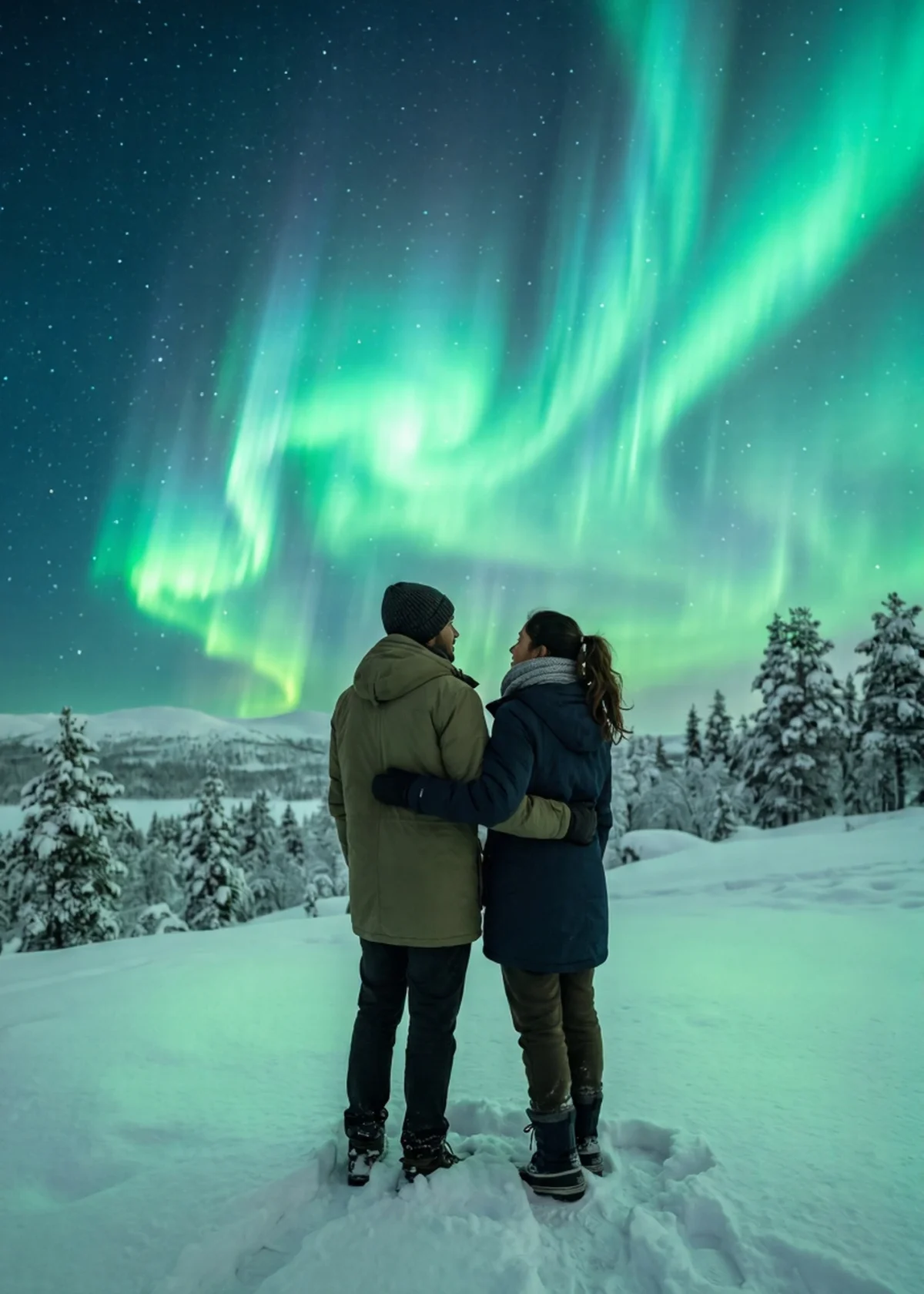
An Indian traveller flying all the way to the Arctic specifically to see the Northern Lights eventually runs into the same question everyone else does: Norway or Finland? Both countries show up constantly when you search for the best place to see Northern Lights, and both will happily sell you a trip built around the sky. Neither guarantees a sighting, and the right choice depends less on which country is “better” and more on what kind of Arctic trip you actually want underneath the chasing.
This matters more for premium travellers than budget ones. When you’re already spending on business-class seats or a private aurora guide, it’s tempting to assume the expensive version improves your odds. It doesn’t. Comfort and aurora visibility are separate things, and knowing where your money actually helps is the real value here.
What You’re Actually Choosing Between
Norway and Finland aren’t offering the same experience with different scenery. Norway’s aurora regions, Tromsø, Alta, Kirkenes, the Lofoten Islands, sit along a dramatic coastline of fjords and mountains, so even a cloudy night has a landscape worth being in. Finnish Lapland, around Rovaniemi, Levi, Saariselkä and Inari, is flatter and forested, built around a quieter kind of winter, glass-roofed cabins, husky farms, wide stretches of snow. This difference is the real starting point for figuring out the best place to see Northern Lights for you.
Neither location has provably better odds baked into its geography. Both sit within or close to the auroral oval, the band around the pole where aurora activity is most frequent, and both depend entirely on clear skies and solar activity on the night you’re there.
If you’re still exploring where to go, our guide to the Best Places to See Northern Lights covers the top destinations, along with when and where to plan your aurora trip.
The Best Time to See Northern Lights
The best time to see Northern Lights in either country runs roughly late September to end of March, with the darkest, longest nights between November and February. Both sit far enough north that summer brings near-constant daylight, ruling out sightings for several months.
No single month is definitively the best. Early autumn and spring bring milder temperatures and reasonably dark skies, while deep winter offers the longest nights but colder temperatures and more cloud cover in some regions. What matters most on any given night is weather, not the calendar.
Getting There: A Northern Lights Trip from India
A Northern Lights trip from India is a longer undertaking than most people expect. There are no direct flights to either country’s Arctic regions, so you’re looking at a long-haul leg to a European hub, a connecting flight north, and often a road transfer. A chunk of your first day is usually gone by the time you’ve cleared immigration, which is why a short three-night trip can feel rushed.
Add jet lag and the cold-weather adjustment most Indian travellers aren’t used to, and it’s worth treating your first night as a buffer rather than your best shot. Both countries sit within the Schengen area, so a Schengen visa is required either way, and it’s worth applying with lead time. Vegetarian food is generally available in hotels catering to international travellers, though options thin out away from the main towns.
Where You’ll Actually Stay
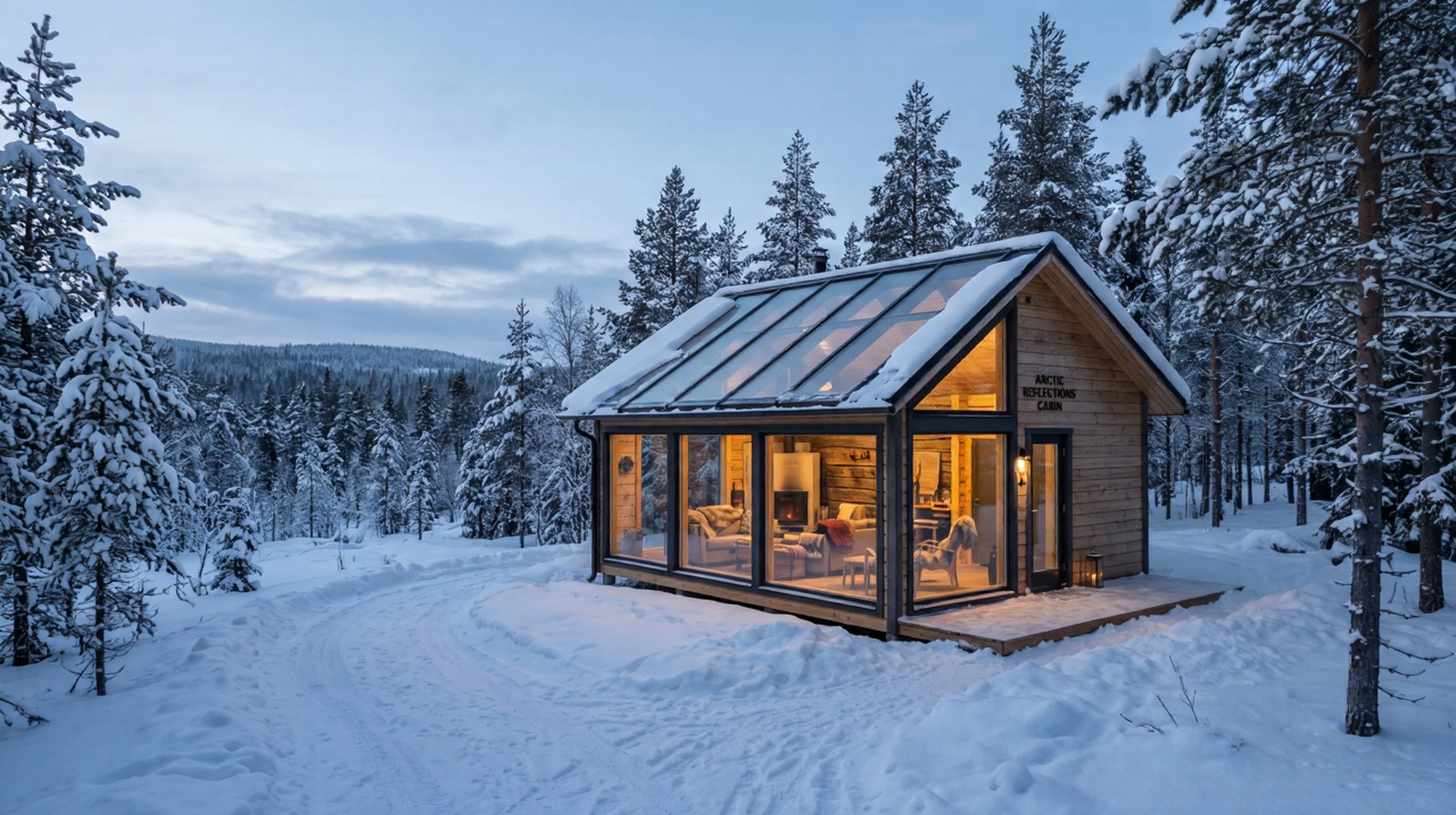
Finnish Lapland is known for its glass-roofed cabins and glass igloos, places like Levi and Saariselkä built around watching the sky from bed. It’s a comfortable way to wait out a cold night, though a glass roof only helps if the sky above it is clear.
Norway leans more toward hotels and boutique stays in towns like Tromsø, with cabin options further out near Alta or Lofoten. The trade-off is town comfort versus remote darkness, Tromsø gives restaurants and an easy base, while heading out reduces light pollution but also convenience. A traveller wanting a livelier evening base may prefer Norway’s towns, while one wanting the sky to be the main event, quite literally over their bed, may lean toward Finland.
Beyond the Aurora: What Else the Trip Actually Includes
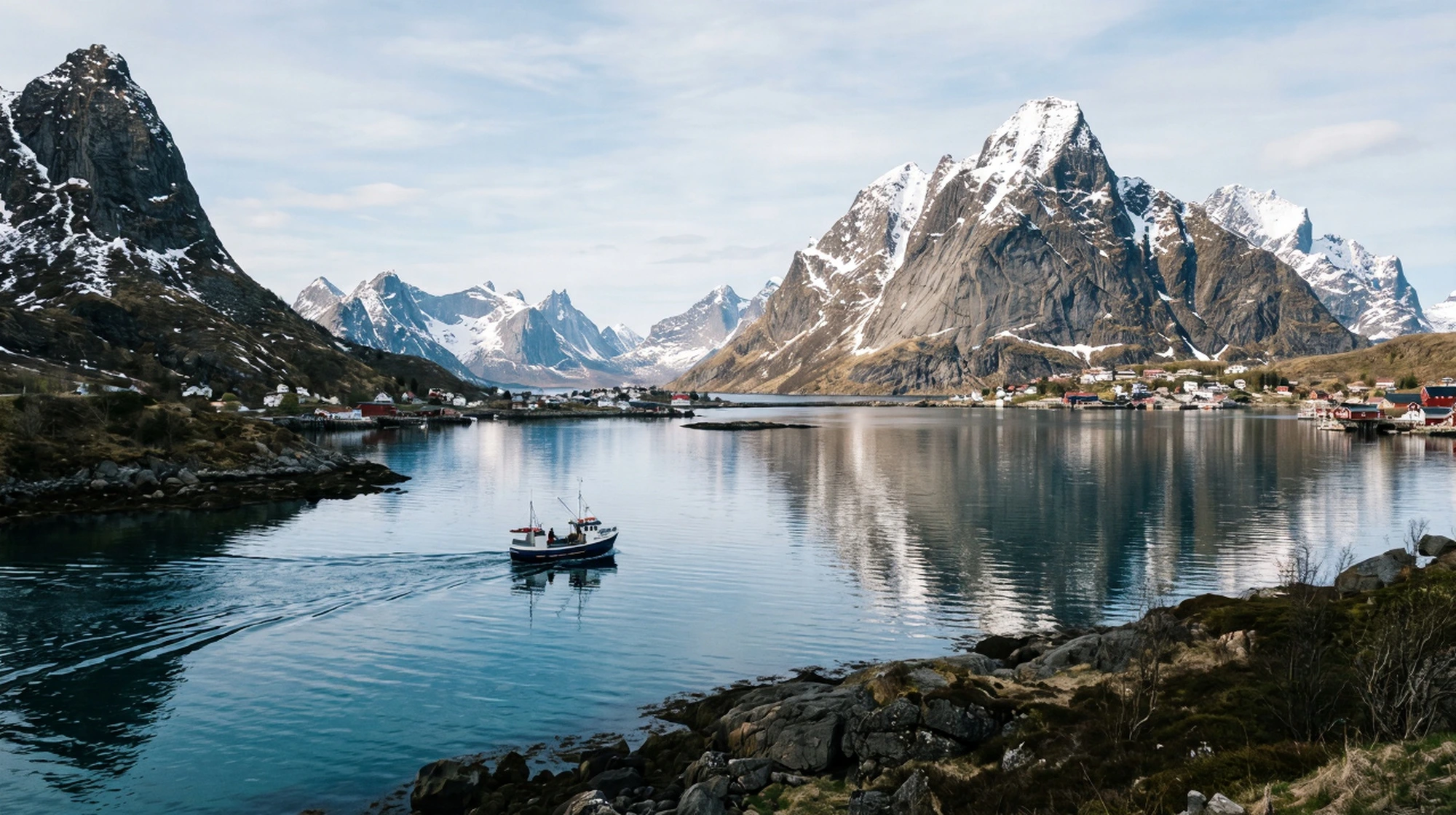
Since the aurora is never guaranteed on any given night, what the rest of the trip offers matters more. Norway’s strength is landscape, fjords, mountains, coastal boat trips and the drama of Northern Norway’s scenery, which holds up even when the sky stays cloudy.
Finland’s strength is winter activity built around Lapland’s terrain, dog sledding, reindeer farms, snowmobiling, sauna culture that genuinely fits the setting. Both offer versions of these, but the emphasis differs, Norway sells you a place, Finland sells you a season. If your trip falls close to Christmas, Rovaniemi leans into that far more than Norway’s aurora towns.
| Factor | Norway | Finland |
| Landscape | Fjords, mountains, coastal towns | Flat forest, snow-covered plains |
| Typical base | Tromsø, Alta, Lofoten | Rovaniemi, Levi, Saariselkä, Inari |
| Signature stay | Hotels, boutique lodges | Glass igloos, glass-roof cabins |
| Standout activities | Fjord cruises, coastal scenery | Dog sledding, reindeer farms, sauna |
| Season atmosphere | Arctic city and coastal towns | Quiet, forested Lapland winter |
| Internal travel | Domestic flights plus road transfers | Domestic flights plus road transfers |
Aurora Chasing vs Staying in One Place
Both countries give you two ways to structure the trip. Staying in one location keeps things simple, less packing, a steady base, time to settle in. Aurora chasing, moving between spots depending on where skies are clearest, takes more effort and money, but improves your odds when local weather isn’t cooperating.
Neither approach is automatically smarter. A traveller with limited nights may get more value from a single base with a guide watching the forecast, while one with more flexibility, or a private guide who can pivot at short notice, may benefit more from chasing clearer skies further afield.
What Premium Travellers Should Actually Spend On
A five-star Arctic hotel does not improve your chances of seeing the aurora, and clouds don’t check your room category. If you’re trying to find the best place to see Northern Lights for a premium trip, spend on flexibility instead, a smaller-group or private tour that can change plans at short notice, and a guide who tracks conditions rather than running a fixed route.
Better-located accommodation still has value, mainly convenience rather than aurora odds. A hotel close to your departure point for tours saves time each evening, which adds up over a multi-night trip.
How Many Nights Does an Aurora Trip Actually Need
Given how much time and money a Northern Lights trip from India already involves, cutting the viewing window too short is a common regret. A three or four night trip leaves little room for a bad-weather night, and Arctic weather is unpredictable enough that a cloudy evening is worth planning for.
Five to six nights gives a more realistic buffer, enough for the trip to survive a disappointing night or two without the whole experience depending on a single roll of the dice. Travellers with flexible schedules sometimes extend to seven or more nights to spread their attempts across the season’s unpredictable weather.
Comparing Northern Lights Tour Packages
When comparing Northern Lights tour packages, the headline price tells you very little on its own. Check what’s actually included, accommodation category, transfers, the number of aurora-viewing sessions, whether winter clothing is provided, and whether backup activities exist for nights when conditions don’t work out.
It’s also worth checking whether tours are private or shared group departures, and whether the operator can adapt plans to the forecast. A cheaper package locked into a fixed route regardless of weather is a different product from one that actively adapts, even if both are marketed as similar Northern Lights tour packages.
A Word on Iceland Northern Lights
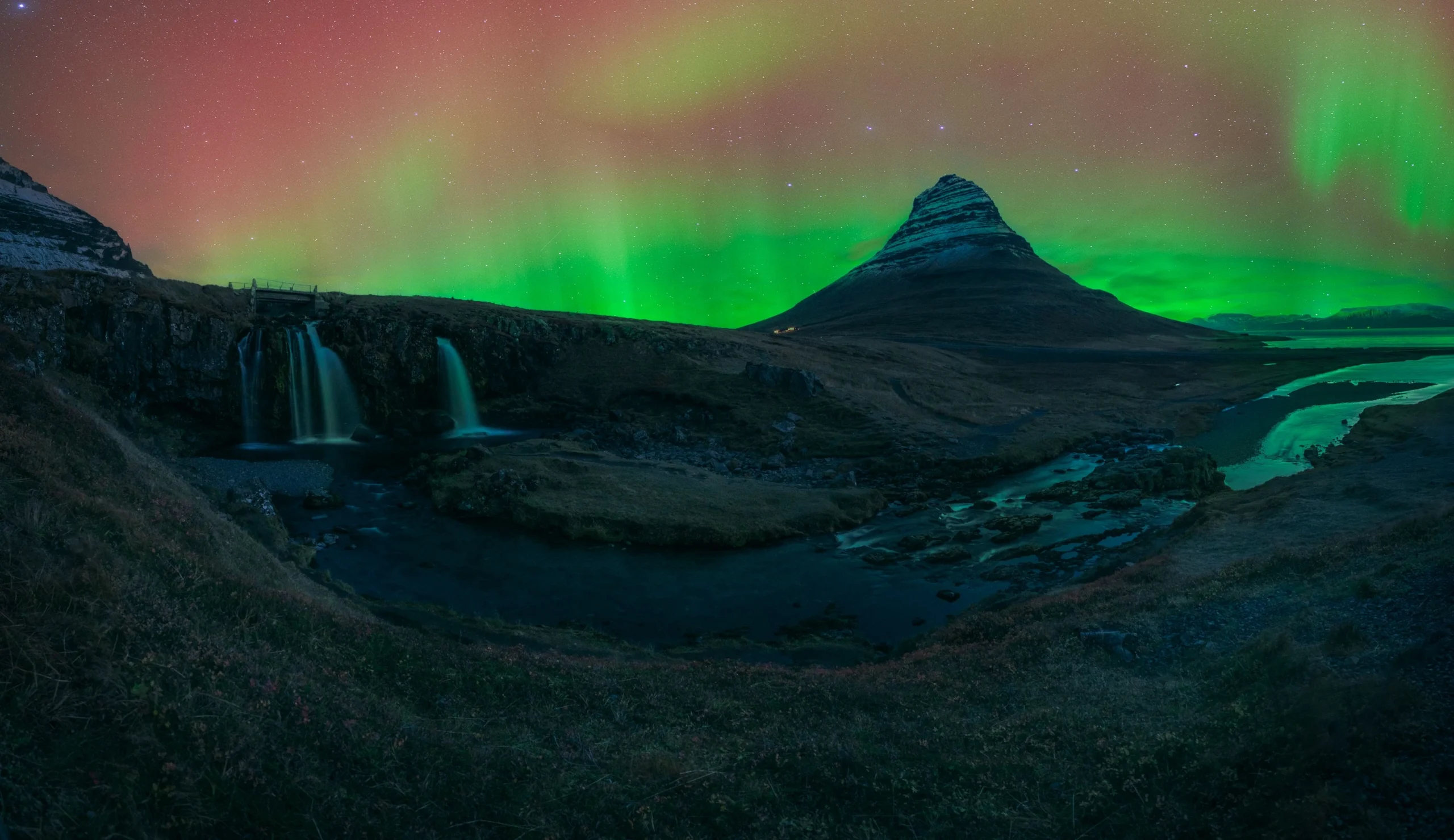
Travellers researching Norway and Finland inevitably come across Iceland Northern Lights trips too, and it’s worth knowing why that’s a different kind of holiday. Iceland leans on dramatic road-trip scenery, waterfalls, volcanic landscapes and geothermal experiences alongside the aurora, suiting travellers who want it as part of a broader landscape trip rather than the entire focus.
If seeing the aurora is genuinely your main goal, Norway and Finland both offer a more deliberately aurora-focused trip than a typical Iceland Northern Lights itinerary tends to, though Iceland remains a reasonable alternative for travellers wanting a more varied, self-drive style holiday.
So, Which One Should You Choose?
There isn’t a universal best place to see Northern Lights between the two, because the honest answer depends on what you want alongside the sky. A traveller drawn to dramatic coastal scenery will probably find Norway more satisfying, while one wanting a quieter, more concentrated Lapland experience, glass-roofed stays, forest activities and a slower pace, will likely prefer Finland.
What both destinations share is the same underlying truth: no operator, hotel or guide can promise the sky will perform on your specific nights. The most useful thing you can do, whichever country you pick as your best place to see Northern Lights, is build in enough nights and flexibility so one cloudy evening doesn’t define the holiday.
Planning your Northern Lights holiday and want the right destination, stay and experiences without overcomplicating the trip? Contact Naviora Journeys for expert guidance and customised holiday packages tailored to your preferences, pace and budget.
Frequently Asked Questions
What is the best place to see Northern Lights, Norway or Finland?
Neither is universally better. Norway suits travellers who want coastal scenery alongside the aurora, while Finland suits those who want a focused Lapland winter experience with glass-roofed stays.
What is the best time to see Northern Lights in Norway or Finland?
Roughly late September to the end of March, with the darkest nights falling between November and February. Clear skies matter more than the calendar month.
How much planning does a Northern Lights trip from India usually involve?
More than expected. There are no direct flights, so you’ll connect through a European hub and often take a further domestic flight or road transfer, and you’ll need a Schengen visa either way.
Are Northern Lights tour packages worth booking?
They can be, but compare what’s included, not just the headline price, accommodation, transfers, aurora sessions, clothing rental, and whether the operator can adapt to the forecast.
Is Iceland Northern Lights travel better for first-time aurora seekers?
It depends. Iceland suits travellers who want the aurora as part of a broader road-trip holiday, while Norway and Finland offer a more dedicated aurora-focused trip.
Can I be guaranteed to see the Northern Lights?
No destination or tour can guarantee a sighting. Visibility depends on solar activity, cloud cover and darkness aligning on a given night, which is why extra nights matter more than picking the “right” country.