
Europe has dozens of Christmas markets, and most travel lists treat them as interchangeable, a square, some stalls, mulled wine, repeat. They aren’t. Some cities have a market strong enough to be the entire reason for the trip. Others have a pleasant market that works better as one evening inside a holiday built around something else. If you’re trying to find the best Christmas markets in Europe for a trip from India, the real question isn’t which market looks prettiest in photos. It’s which city gives you enough, market and beyond, to justify a long flight and a short winter break.
A Market Versus a Market City
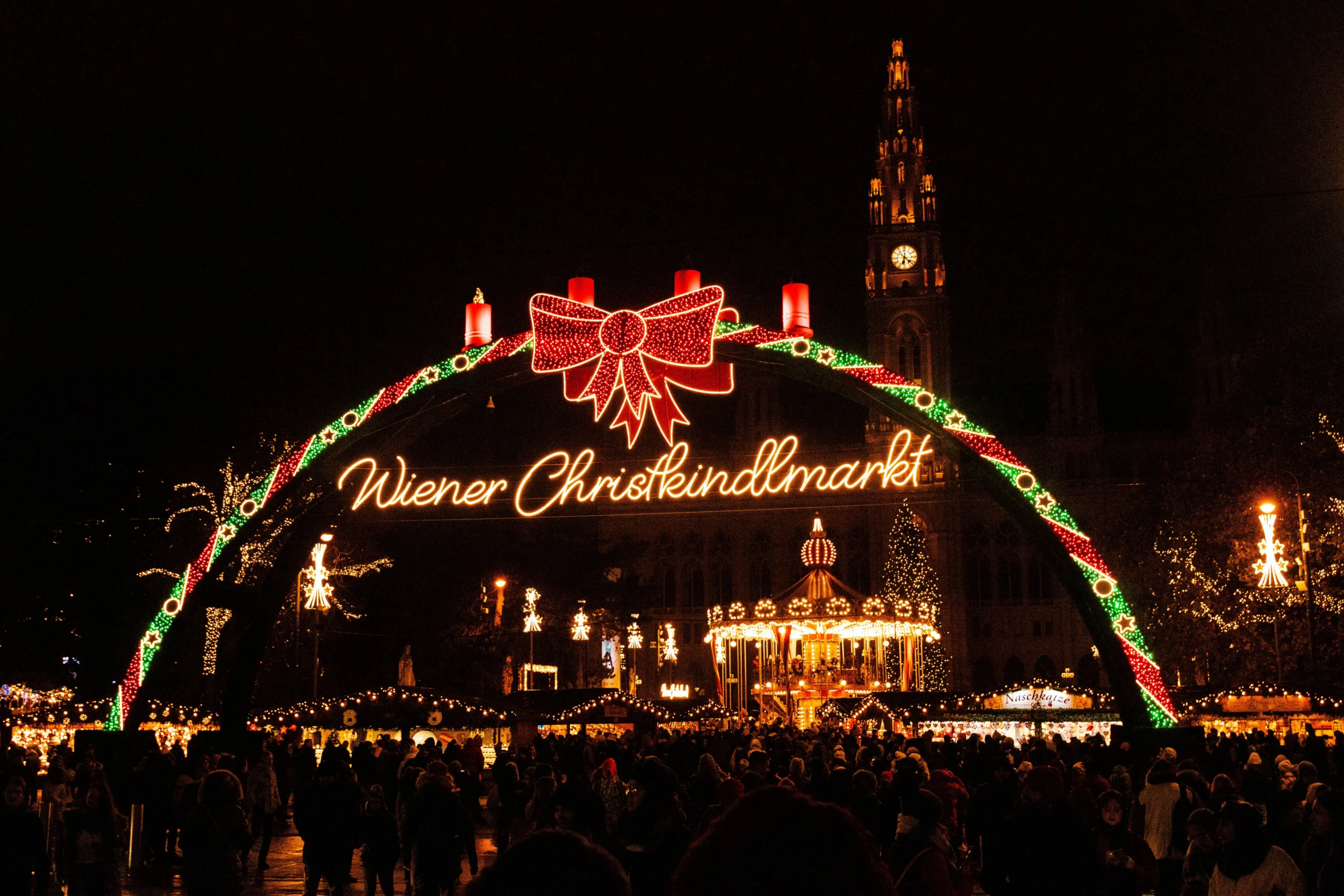
Vienna’s Christkindlmarkt sits outside a grand town hall and runs for weeks. Take the market away and Vienna still has the opera, the palaces, the coffeehouses, enough to fill several days on its own. That’s a market city, the Christmas market adds to an already strong destination.
Somewhere like a small Alsatian town might have a lovely market and little else to occupy more than an afternoon. That’s not a weakness, but it changes how you plan around it, as a stop rather than a base. Before committing nights to any city, ask whether the market alone is doing the heavy lifting, or whether the city would be worth it regardless.
When Do Christmas Markets Open?
Travellers planning around leave dates always ask the same thing: when do Christmas markets open? Most major markets begin between mid and late November. German markets, Cologne and Dresden among them, typically close on the 23rd or 24th of December. Vienna runs a little later, often to the 26th, while Prague and Salzburg stay open into early January.
None of this is fixed from year to year. Exact opening weekends shift by a few days, and smaller towns don’t always follow the same schedule as the big cities. Check official dates for your travel year before locking in flights.
So, What’s the Best Time to Visit Christmas Markets?
It depends on what you want more, atmosphere or ease, and the answer shapes which of the best Christmas markets in Europe will actually suit your dates. Late November and the first week of December catch markets freshly opened, with thinner crowds and a strong Advent mood, though a few stalls may still be setting up.
Mid-December is when everything is fully running and at its busiest, decorations complete, every stall open, hotel prices at their highest. If the best time to visit Christmas markets means seeing them at their fullest, this is it, and you should book accommodation well ahead.
Christmas week itself is different. Some markets close entirely on the 24th, and city life slows for the holiday, shops and restaurants included. Travelling between Christmas and New Year suits travellers wanting a quieter, New-Year-flavoured atmosphere, since several markets have shut by then, though Prague and Salzburg carry the mood further into this window.
Cities That Belong on a Shortlist of the Best Christmas Markets in Europe
Vienna earns its place as a market city rather than just a market. Its Rathausplatz Christkindlmarkt is grand and photogenic, but the opera houses, palaces and coffeehouse culture mean the city holds up for four or five nights even on days you skip the market. It suits couples wanting elegance and families who’ll enjoy the ice rink near the town hall.
Cologne runs several distinct markets around the cathedral and old town, each with its own character, one leaning traditional, another more contemporary. The cathedral itself towers over the main market, a backdrop few cities can match. It works well as a short, dense stop, two nights is often enough.
Dresden’s Striezelmarkt has one of the longest histories of any market in Europe, and the baroque old town around it gives the visit a sense of occasion beyond the stalls. It suits travellers who want tradition over spectacle, and pairs naturally with Prague for a two-city itinerary.
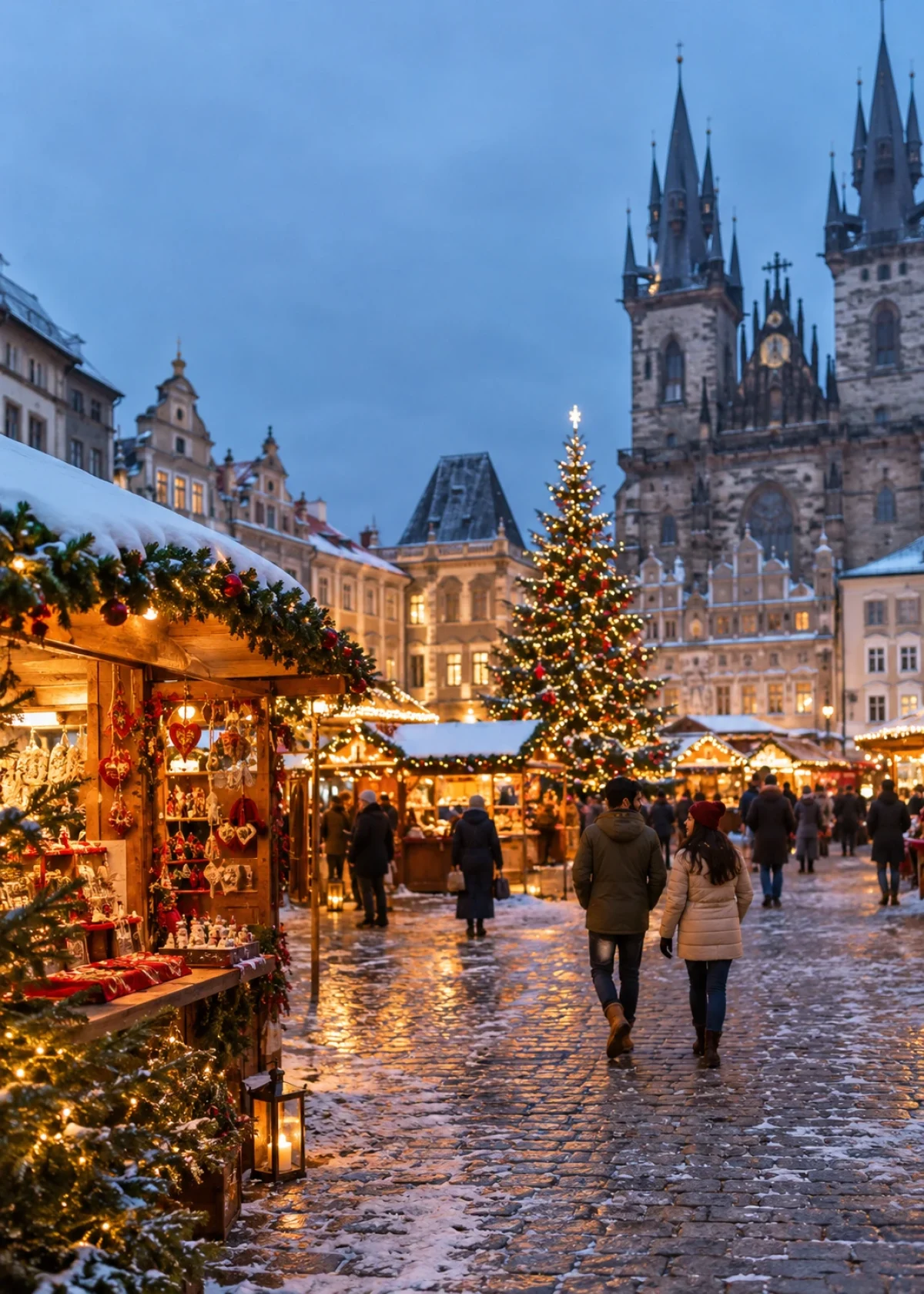
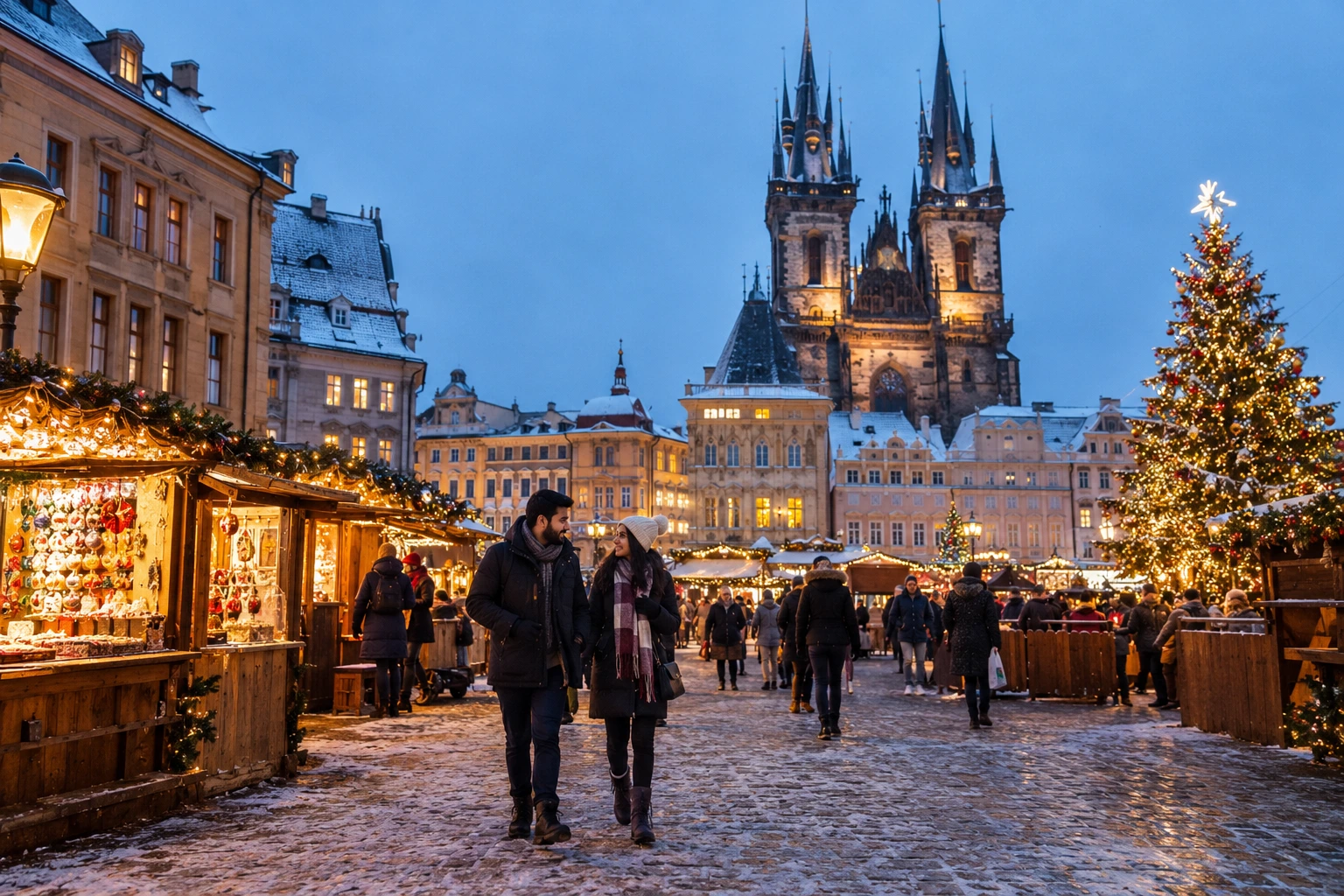
Prague keeps its markets running later than most German or Austrian cities, well past Christmas in many years, useful for travellers whose dates fall closer to New Year. The Old Town Square setting, astronomical clock overhead, gives it enough drama to anchor a trip on its own, with plenty beyond the market.
Salzburg is smaller and more intimate than Vienna or Prague, set against a mountain backdrop that suits a slower, quieter few days. It’s a strong choice for couples wanting atmosphere without a capital city’s scale, though travellers wanting a packed sightseeing list may prefer it as a shorter add-on.
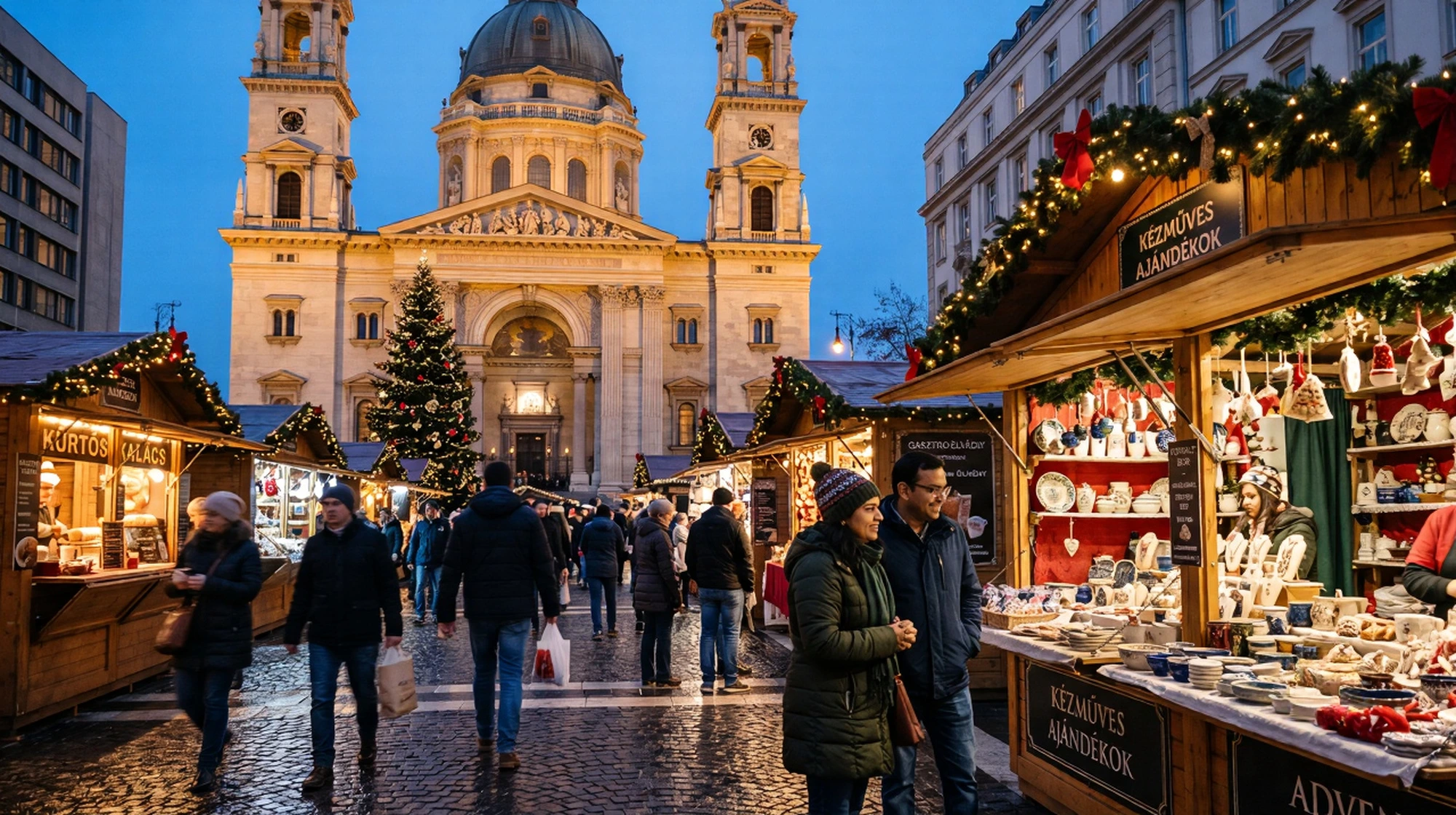
Budapest’s markets, particularly around St. Stephen’s Basilica, combine festive stalls with thermal baths and grand architecture that have nothing to do with Christmas at all. It’s a good pick for travellers who want the market experience alongside a city that offers something entirely different once the stalls close.
One City or Several: Planning Your Europe Christmas Market Trip
How you structure a Europe Christmas market trip depends on how many nights you have. With three or four nights, pick one city properly rather than rushing a second in. Five to seven nights opens up a genuine two-city combination, Vienna and Salzburg, or Dresden and Prague. Eight nights or more make a multi-country itinerary realistic, though three well-chosen cities usually beat five rushed ones.
A single-city trip means less packing, no hotel changes, and more time to experience local traditions. A multi-city trip offers variety and different market styles, but every added city adds transfer time and more that can go wrong if weather disrupts trains. Neither is automatically better, it depends on whether you want depth or range.
What an Europe December Trip Actually Involves
Cold is the obvious part, but the details matter more. Daylight is short, often fading by four in the afternoon, which works in the market’s favour since lights and stalls look their best after dark. Expect crowds on weekends and in the two weeks before Christmas, and build in slack for closures around the 24th and 25th.
A decent Europe December trip also means proper footwear for icy pavements and layers that can come off indoors. An evening market walk involves standing around in the cold more than briskly sightseeing. The reward, lit squares, warm food stalls, decorated storefronts, is worth it for most travellers, but be honest about the trade-off.
Couples and Families
For couples, the appeal is usually the evening walk, mulled wine in hand, lights overhead, without a packed sightseeing schedule crowding it out. Smaller markets like Salzburg’s suit this better than Vienna’s busiest stalls. A centrally located hotel matters more here than in summer, since you’ll return from the market after dark in the cold.
Families need to think about crowds and cold tolerance together. Shorter market visits with planned indoor breaks, a museum, a warm café, work better than a full day outdoors. Cologne and Vienna both have enough indoor attractions nearby, which matters more than expected when a child tires of the cold before you do.
Budget and Value
Costs are driven less by the markets themselves and more by when you travel and where you stay. December hotel demand in city centres pushes prices up, particularly in the two weeks before Christmas, and flights from India carry their own premium. A central hotel costs more upfront but saves on transport, often the better trade.
For couples considering a December holiday, comparing the best places for honeymoon in December can also help put peak-season pricing into perspective, especially when deciding whether the festive atmosphere justifies the higher overall cost.
Compare the total trip cost rather than just a package headline, flights, hotels, trains between cities, food and any winter clothing to buy. A cheaper package routing you through a less central hotel or skipping train transfers can cost more in time and discomfort than it saves.
So, Which Cities Actually Justify the Trip?
There’s no single ranked answer to the best Christmas markets in Europe, because the right city depends on whether you want a market that’s part of a bigger city experience, or one that’s the main event with everything else as a bonus. Vienna, Prague and Cologne hold up as destinations even without the markets. Strasbourg and Dresden ask the market to do more work, rewarding travellers who want deep festive atmosphere over a long sightseeing list. Before booking, ask honestly: if the market disappeared tomorrow, would you still want to visit? That answer tells you whether you’re planning a Europe trip with a market in it, or a market trip with a city attached.
Thinking about building your Europe holiday around Christmas markets? Naviora Journeys can help you choose the right cities, pace and experiences with customised holiday packages designed around the way you want to travel.
Frequently Asked Questions
What are the best Christmas markets in Europe?
There isn’t one universal answer. Among the best Christmas markets in Europe, Vienna, Prague and Cologne work well because the cities hold up strongly even without the market, while Strasbourg and Dresden suit travellers who want the market itself to be the centrepiece of the trip.
When do Christmas markets open in Europe?
Most major markets open between mid and late November and run through Advent. German markets typically close around the 23rd or 24th of December, while Prague and Salzburg often continue into early January. Exact dates shift each year, so check official sources before booking.
What is the best time to visit Christmas markets?
Late November gives thinner crowds and a fresher atmosphere, mid-December offers everything fully open but busiest and most expensive, and the period after Christmas suits travellers wanting a quieter, New-Year-leaning mood.
Is December a good time for a Europe trip from India?
It can be, if you’re prepared for short daylight, cold temperatures and holiday closures around the 24th and 25th. The trade-off is a city that looks genuinely different from a summer visit.
How many days are enough for a Europe Christmas market trip?
Three to four nights suits one city properly. Five to seven nights allows a well-paired two-city trip. Longer trips can support three cities, but travelling to more than that usually reduces the experience rather than improving it.
Are Christmas markets open after Christmas?
Some are. Prague and Salzburg typically run into early January, while most German markets close on Christmas Eve. Check each city’s specific calendar before planning dates around the New Year period.