

You’ve flown internationally a dozen times without thinking twice about it. Layovers, immigration queues, unfamiliar currencies, none of it fazes you anymore. Then you start planning an international trip with parents for the first time, and suddenly you’re double-checking flight connection times, wondering if your mother can manage a full day of walking, and googling whether your father’s blood pressure medication needs a doctor’s note at customs. It’s a different kind of planning, and most travel content doesn’t really prepare you for it.
Any international trip with parents starts with this same quiet set of worries they don’t always say out loud: long flights, unfamiliar food, getting lost, not knowing what to do if something goes wrong. None of this means they shouldn’t go. It just means the trip needs to be built around their comfort first, not around how much you can fit into ten days.
Why an international trip with parents needs a different plan
A holiday with friends or a partner gets planned around convenience and cost. A trip with parents needs to be planned around the slowest, least comfortable part of the journey, because that’s the part that actually determines how the whole trip feels. An early-morning flight that barely bothers you can mean a genuinely difficult start to the day for someone who didn’t sleep well the night before. A hotel that’s technically central but involves a ten-minute walk from the nearest taxi drop-off point becomes a daily hurdle rather than a minor inconvenience.
The itinerary mistake most families make isn’t choosing the wrong country. It’s designing the trip around the most energetic version of the group rather than the least. Three attractions before lunch, a long transfer in the afternoon, dinner across town, that pace works for a 28-year-old backpacking through a city. It rarely works for parents on their first trip abroad, and pushing through it usually costs more in exhaustion than it adds in sightseeing.
What actually makes a destination work for parents
Choosing well isn’t about finding the most impressive destination. It’s about matching a few practical factors to what your parents can genuinely handle comfortably.
Flights and arrival matter more than people expect. A direct flight, even if costlier, is almost always worth it over a connection with a tight layover. Arrival time matters too, landing at 11pm and then needing to check into a hotel is a rough start for anyone, let alone parents adjusting to an unfamiliar airport.
Hotel location can make or break the daily rhythm. A well-located hotel near restaurants, a pharmacy and reasonably flat walking routes reduces daily friction more than any single attraction adds. Elevators matter, and so does avoiding a hotel change every one or two nights, since repacking becomes its own kind of exhausting.
Transport should lean toward comfort over cost-saving. Private transfers or well-organized public transport, like Singapore’s metro, tend to work better than a lot of walking between connections with luggage.
Food deserves real thought rather than an assumption that parents will adapt. Destinations with reasonable vegetarian options or familiar-enough food nearby reduce daily stress considerably, especially for parents naturally cautious about unfamiliar cuisine every meal.
Healthcare access is worth checking even if nothing goes wrong, simply knowing where the nearest hospital or pharmacy is provides real peace of mind.
Weather should be a genuine planning factor, not an afterthought. Extreme heat or humidity can make even light sightseeing tiring, and cold climates require the right footwear and pacing to avoid slips on unfamiliar terrain.
Which destinations tend to work well, and why
There’s no single right answer here, and it depends heavily on your parents’ comfort with travel, mobility and how adventurous they feel about a first trip. Among the best countries to travel with parents, a few come up often for good reasons.
Singapore tends to work well because of how organized and walkable it is, with efficient public transport and a compact sightseeing scene that doesn’t require long transfers. Dubai offers comfortable hotels, air-conditioned environments, and private transfers that reduce walking considerably, with attractions built for convenience over exploration on foot. Switzerland suits parents who enjoy scenery without much physical exertion, since much of the experience comes through trains and cable cars, though cost and colder weather need genuine consideration. Japan is exceptionally well organized, but walking, stairs in older stations, and navigation can be more demanding than expected, worth weighing against your parents’ mobility. Thailand or Malaysia can work well for a shorter, gentler first trip, particularly if the itinerary stays simple.
None of these is automatically the best choice. The right one depends on what your specific parents are comfortable with.
Build the day around one thing, not five
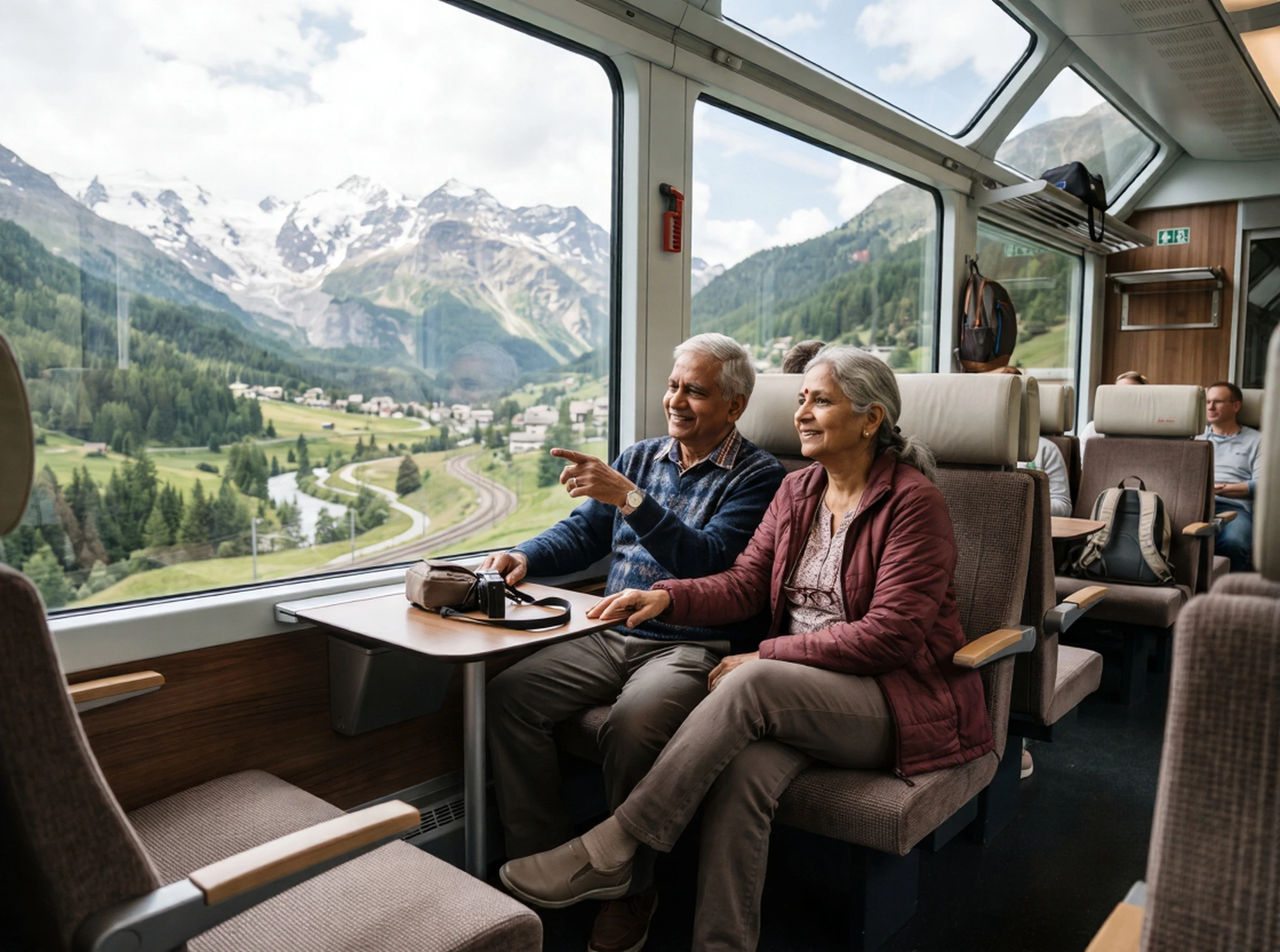
A genuinely useful planning principle: instead of scheduling four or five attractions into a single day, build each day around one major experience, with something smaller and optional around it. A morning at a major sight, a proper lunch break, and a relaxed evening nearby tends to leave parents far happier than a packed itinerary that technically covers more ground.
Parents often enjoy the smaller, unscheduled moments just as much as the headline attractions, sitting at a café, browsing a local market, watching a new city go about its day. These aren’t filler time between “real” sightseeing. Sometimes they’re the part of the trip remembered most fondly.

How many days makes sense
Five to seven nights works well for a first international trip, enough to settle in without it becoming a long, tiring stretch. Eight to ten nights allows a genuinely relaxed pace, with room for a rest day if needed. Eleven to fourteen nights can work well for parents who are comfortable travellers, but this isn’t the length to add more destinations, it should mean more breathing room in the places you’ve already chosen. Avoid the temptation to add a second or third country just because you have the days. Extra time is far more valuable spent slowing down than covering more ground.
Travel insurance for senior citizens, and what to actually check
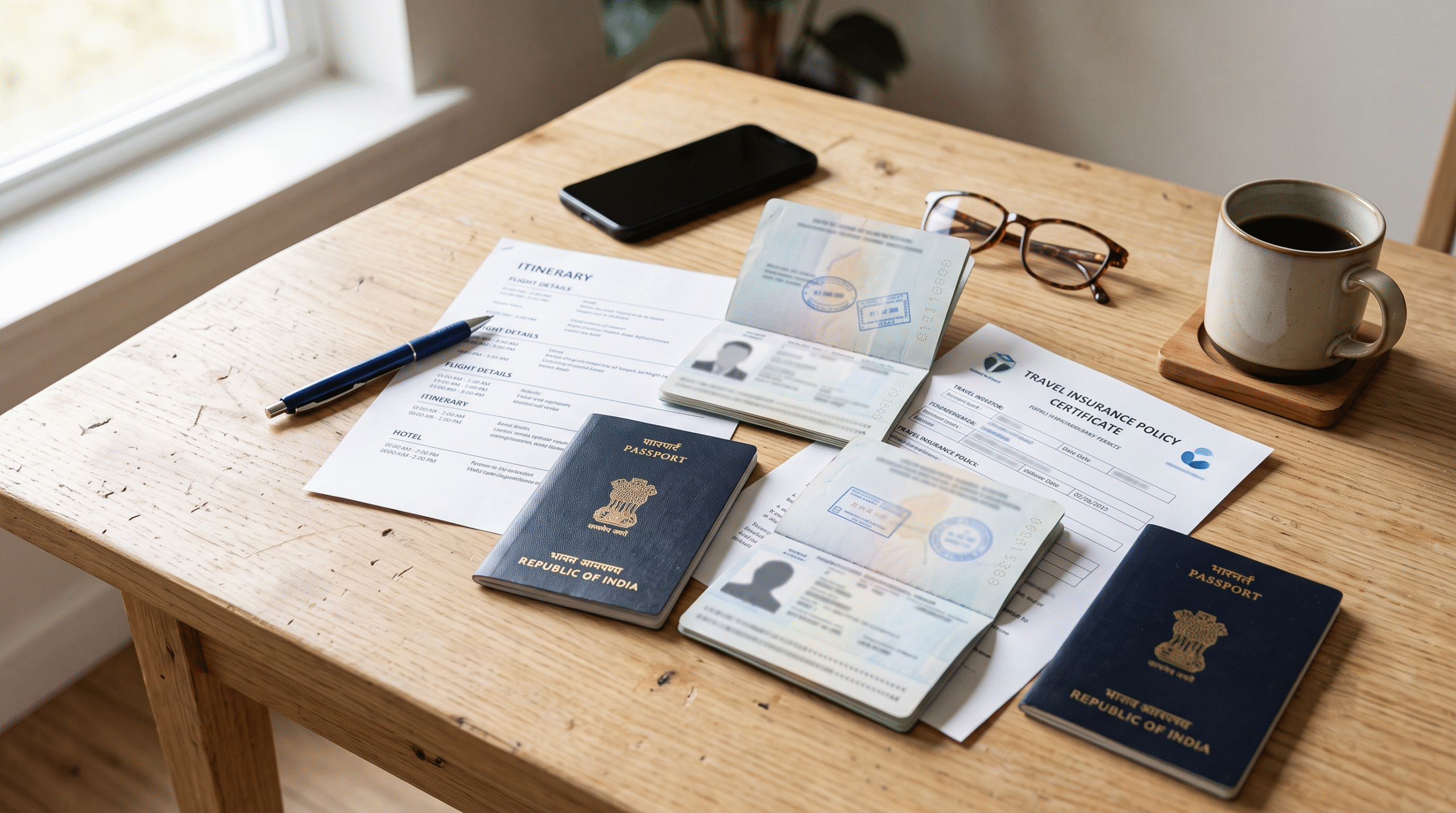
This is worth taking seriously rather than treating as a formality. Travel insurance for senior citizens often comes with different terms than standard policies, age eligibility limits, different premiums, and specific rules around pre-existing conditions that can catch families off guard.
Before buying a policy, check the age eligibility bracket, what counts as emergency hospitalization coverage, how pre-existing conditions are handled, what’s specifically excluded, and policy limits for medical evacuation where relevant. Carry prescriptions, keep medication in original packaging where practical, and have emergency contact information easily accessible, both digitally and on paper. Read the exclusions carefully rather than assuming a policy covers everything simply because it’s marketed for seniors.
Package or customised: which makes more sense
Senior citizen tour packages offer real structure for an international trip with parents, fixed departure dates, a set itinerary, and the reassurance of a group moving at a predictable pace. That structure can be genuinely useful for parents who prefer not to make constant decisions on the road. The trade-off is less flexibility, fixed meal times, and less room to skip an activity if someone’s tired.
Customized family holiday packages allow slower mornings, private transfers, fewer hotel changes, and the flexibility to build in a rest day without disrupting anyone else’s schedule. They typically cost more, but for parents who need a gentler pace, that flexibility often matters more than the savings. Neither option is universally better, it depends on how much structure your parents find reassuring versus restrictive.
Mistakes worth avoiding
A few patterns show up repeatedly on an international trip with parents that doesn’t go smoothly: covering too many countries, booking the cheapest hotel without checking how far it actually is from everything, changing hotels every night or two, assuming parents can walk at a younger traveller’s pace, scheduling early starts daily, overlooking meal preferences, skipping rest periods, and booking complicated layovers purely to save money. Checking hotel elevator access and reading insurance exclusions properly rounds out the list of oversights that cause the most trouble mid-trip.
A simple comfort test before you book
Before finalizing anything, run through a short list of questions: How long is the total travel time, including layovers? How much walking does a typical day involve? How many hotel changes are there? Is there enough rest between activities? Is the food manageable? Is healthcare reasonably accessible? What happens if one parent gets tired halfway through? Is the itinerary flexible enough to adjust? Is the hotel genuinely convenient, not just centrally located on paper? And honestly, does the plan feel enjoyable, or simply busy?
Where the money is actually well spent
The cheapest version of an international trip isn’t always the best value once parents are involved. A slightly better-located hotel often reduces taxi costs and daily walking more than its extra cost. A private transfer on arrival day removes a genuine source of stress after a long flight. One additional night can prevent an exhausting back-to-back travel day. A little more flexibility tends to make the whole trip feel less like a schedule and more like an actual holiday. This isn’t about luxury for its own sake, it’s about paying for what specifically reduces friction for parents, a different calculation than a typical budget trip.
Getting it right matters more than covering more ground
An international trip with parents isn’t really measured by how much of a country you managed to see. It’s measured by whether they felt comfortable enough to actually enjoy being somewhere unfamiliar with someone they trust. Plan around their comfort first, and the sightseeing tends to take care of itself.
Your parents’ first trip abroad deserves more than a packed itinerary. Contact Naviora Journeys for customised holiday packages planned around their comfort, your preferences and time to actually enjoy the journey.
Frequently asked questions
What are the best destinations for a first international trip with parents? Among the best countries to travel with parents, Singapore, Dubai and Switzerland come up often for their comfort, organization and manageable sightseeing pace, though the right choice depends on your specific parents’ mobility and comfort with travel.
How many days should you plan for senior parents? Five to seven nights works well for a first trip. Eight to ten nights allows a more relaxed pace, and beyond that, extra days are better spent slowing down than adding destinations.
Is travel insurance necessary for senior citizens travelling abroad? Yes. Travel insurance for senior citizens often has different age brackets, premiums and pre-existing condition rules than standard policies, so it’s worth reading the exclusions carefully rather than assuming standard coverage applies.
Are senior citizen tour packages better than customized trips? Neither is universally better. Senior citizen tour packages offer structure and predictability, while customized family holiday packages offer more flexibility and a gentler pace, depending on what your parents find more reassuring.
How can you reduce walking on an international family holiday? Choose a centrally located hotel, rely on private transfers or efficient public transport rather than long walks between connections, and build each day around one major activity rather than several spread across the city.