
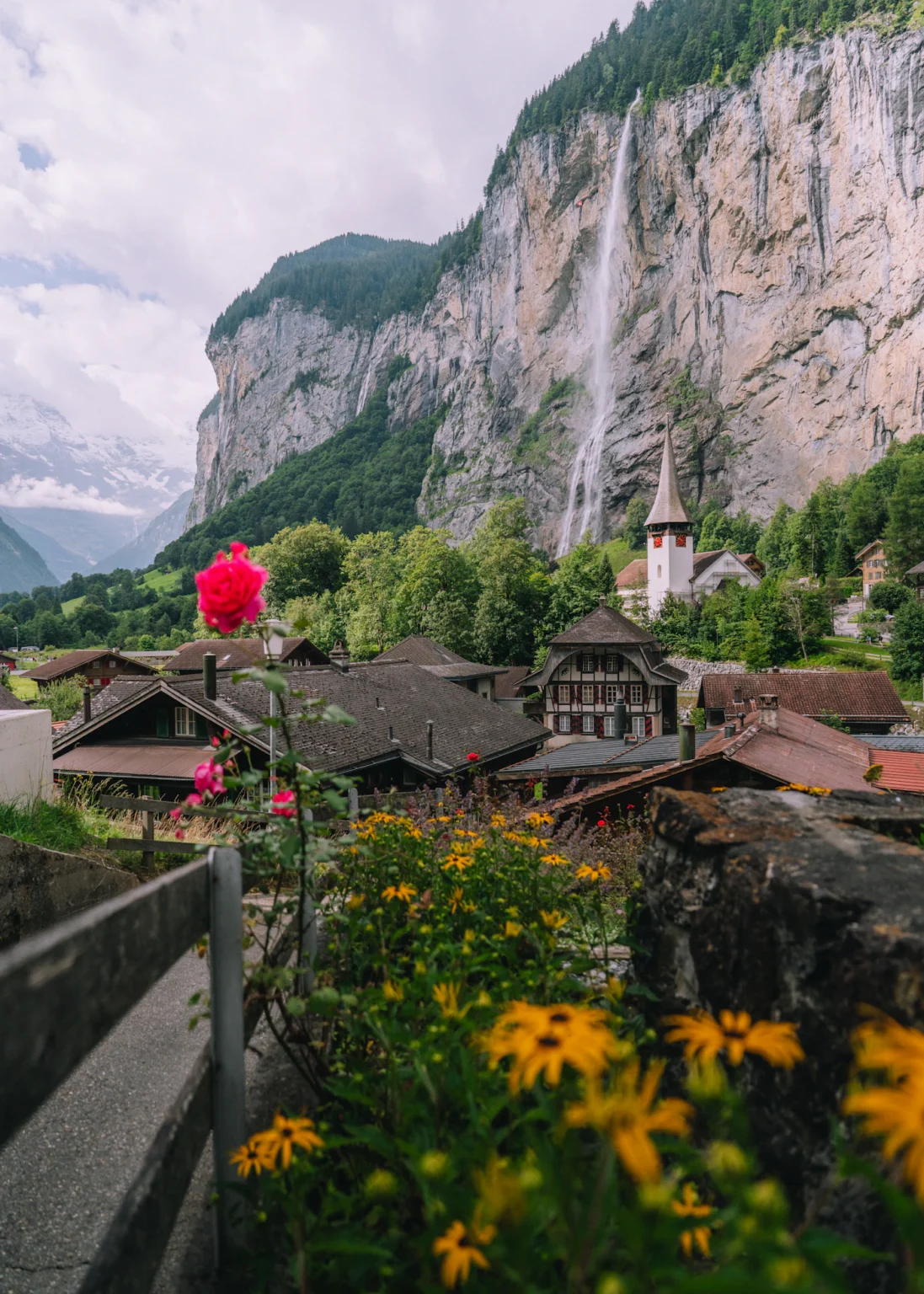
Short answer: The best time to visit Switzerland is June to September, when the valleys are green, lake boats run full timetables and every mountain railway is open. For snow in the towns and villages, go from mid-December to March. You can see snow every month at Jungfraujoch and Mt Titlis, and May and September usually give the best balance of good weather, fewer crowds and better hotel value.
For most Indian couples and families, Switzerland is a once-in-a-while holiday that takes months of saving and a Schengen visa appointment to plan. Picking the wrong fortnight can mean a closed scenic train, a lake cruise that runs twice a day instead of ten times, or four grey days in a row with the Alps hidden in cloud. Picking the right one can mean long evenings by Lake Lucerne with sunlight till half past nine.
Below: a month-by-month guide, snow, closures, daylight, events, honeymoon and family timing, packing, and two sample 6-day plans. Operator dates were checked on 24 October 2026; confirm close to travel.
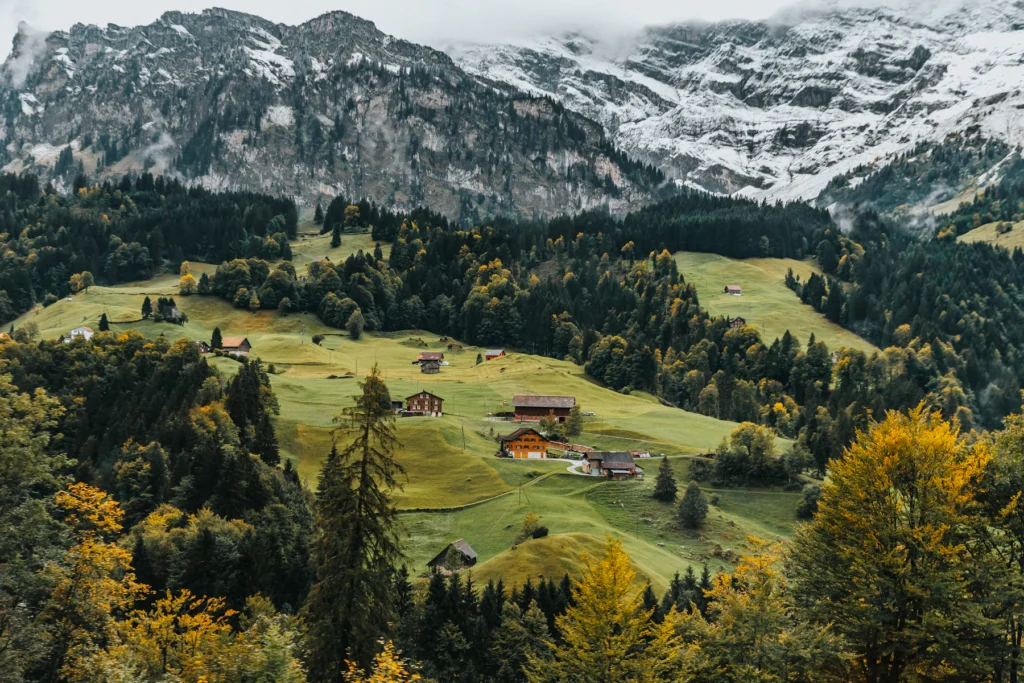
Switzerland’s seasons at a glance
Green meadows and blue lakes mean summer. Snowy chalets and Christmas lights mean winter. Spring and autumn sit in between, with smaller crowds and a few closures.
The table below uses Zurich, because most Indian visitors fly into Zurich and our Switzerland trips are based there. Figures are 1991–2020 climate normals based on MeteoSwiss data for Zurich Fluntern.
| Month (Zurich) | Average max | Average min | Rain | Sunshine | What it feels like |
|---|---|---|---|---|---|
| January | 3.5°C | −1.4°C | 63 mm | 60 hours | Cold, often grey in the city; snow in the mountains |
| April | 14.8°C | 5.1°C | 80 mm | 178 hours | Fresh spring days, cold mornings, changeable |
| June | 22.4°C | 12.6°C | 128 mm | 207 hours | Warm, green, long days; afternoon showers |
| July | 24.3°C | 14.4°C | 126 mm | 229 hours | Sunniest month; busiest and priciest |
| September | 19.1°C | 10.7°C | 87 mm | 164 hours | Settled, pleasant, quieter after school holidays |
| October | 13.8°C | 7.1°C | 85 mm | 109 hours | Autumn colours, cool, shorter days |
| December | 4.0°C | −0.5°C | 83 mm | 47 hours | Darkest month; Christmas markets and snow up high |
Note that summer is not dry: June and July get more rain in Zurich than January, mostly as afternoon showers and thunderstorms. Lucerne is wetter still, at around 170 mm in August. The mountains have their own weather too. Interlaken in July averages 24.3°C by day and 13.8°C at night, but at Jungfraujoch (the station sits at 3,454 m) the daily maximum stays around 3°C even in July.
Month-by-month guide
January
Weather: The coldest month. Zurich averages 3.5°C by day and below zero at night, with only about two hours of sun a day on average. Mountain resorts get the most reliable snow of the winter.
Open and closed: Ski lifts, Titlis, Jungfraujoch and the Glacier Express (on its winter timetable) all run. Lake Lucerne boats run the reduced winter timetable. Rhine Falls boats run only on weekends or by charter, and not at all until 3 January.
Crowds and prices: The first few days are busy with New Year visitors, then cities go quiet. Ski resorts stay busy.
Suits: Couples who want real snow, sledging and cosy evenings, and are fine with short days.
February
Weather: Still full winter in the mountains, with slightly longer days than January. Valleys can swing between snow and slush.
Open and closed: Same as January. Basel Fasnacht, the country’s best-known carnival, runs 15–17 February 2027.
Crowds and prices: European ski holidays fill mountain hotels; cities are fine.
Suits: Snow lovers who book early.
March
Weather: Days lengthen fast, to about 12 hours by the equinox. Snow still lies at altitude and the sun is stronger, so mountain days are often brighter than in January.
Open and closed: Ski season continues; Rhine Falls boats start running daily again from about March. Lake timetables are still winter ones.
Crowds and prices: Moderate; good value for snow.
Suits: Couples who want snow and sunshine together.
April
Weather: Zurich averages 14.8°C by day and 5.1°C at night, with 178 hours of sun. It changes fast: a warm afternoon can follow a snowy morning.
Open and closed: This is a shoulder month. Ski areas wind down through the month (the Titlis winter ski pass runs until 11 April 2027 and the Jungfrau Winter Pass until 30 April 2027). Lake Lucerne switches to its summer timetable after 16 April 2027. Some smaller mountain lifts close for spring maintenance.
Crowds and prices: Easter week is busy; the rest of the month is quiet.
Suits: Flexible travellers who want fewer crowds and can live with mixed weather.
May
Weather: Spring proper. Valleys turn green and blossom comes out, while the high peaks still carry plenty of snow. This is one of the best months to get green and white in the same photo.
Open and closed: Most things are open. Some high mountain passes and hiking trails stay closed by snow until June. The Glacier Express winter timetable ends on 7 May 2027 and the summer timetable starts after that.
Crowds and prices: Good value before the summer rush. Indian school holidays begin in many states in May, so Indian family groups increase later in the month.
Suits: Honeymooners, couples and parents who want comfortable temperatures without peak crowds.
June
Weather: Warm days (22.4°C average max in Zurich), green everywhere and the longest daylight of the year, about 16 hours around 21 June, with sunset around 9:26 pm in Zurich. Expect some afternoon showers.
Open and closed: Everything is open, including full lake timetables and summer mountain railways.
Crowds and prices: Busy, especially with Indian families during the summer school break. Book hotels and visa appointments early.
Suits: Families, first-time visitors and anyone who wants everything open.
July
Weather: The sunniest month in Zurich (229 hours of sun) and the warmest, at 24.3°C average max. Afternoon thunderstorms are common.
Open and closed: Everything is open. Montreux Jazz Festival runs 2–17 July 2027.
Crowds and prices: Peak season. Europeans are on holiday, so popular viewpoints, trains and hotels are at their fullest and most expensive.
Suits: Families tied to school dates who book early.
August
Weather: As warm as July but wetter around Lucerne (about 170 mm).
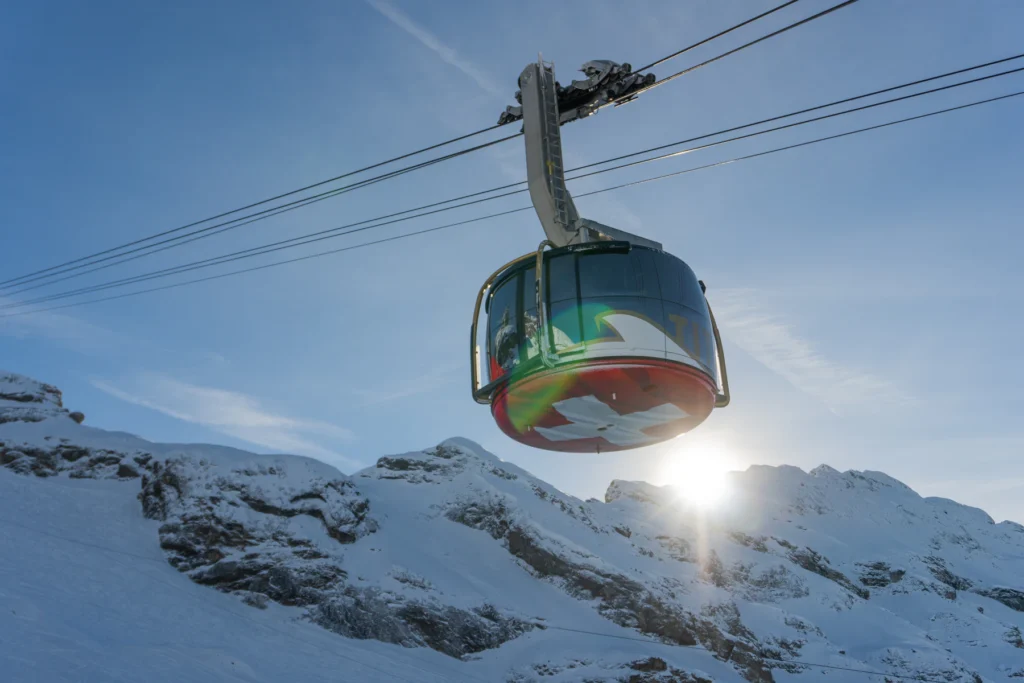
Open and closed: Everything runs, with one big exception for 2026: the Titlis Rotair (the revolving cable car) is closed from 17 August to 11 December 2026, and TITLIS Connect takes visitors up instead. Swiss National Day on 1 August brings fireworks and bonfires. Lucerne Festival in Summer runs 12 August to 12 September 2027.
Crowds and prices: Very busy in the first half, easing in the last week as European schools return.
Suits: Families and festival lovers.
September
Weather: Often the most settled month. Zurich averages 19.1°C by day and gets 164 hours of sun, with less rain than summer.
Open and closed: Everything is still open, including full lake timetables and the Glacier Express summer schedule.
Crowds and prices: Noticeably calmer after early September, and hotel rates usually soften.
Suits: Honeymooners, anniversary couples and parents.
October
Weather: Cooler (13.8°C average max in Zurich) with autumn colours, larches turning gold in the mountains and the first snow on the high peaks. Sunshine drops to 109 hours.
Open and closed: This is when closures start. Lake Lucerne moves to its winter timetable from 19 October 2026, and the Glacier Express stops completely from 11 October to 4 December 2026. Some mountain lifts begin their maintenance breaks late in the month.
Crowds and prices: Quiet and good value, with Diwali travellers in some years.
Suits: Couples who prefer peace over perfect weather.
November
Weather: Often the greyest, dampest month: no reliable town snow, no summer green.
Open and closed: The most closures of the year. No Glacier Express until 5 December 2026, individual lifts at Titlis and elsewhere close for maintenance, and many mountain resorts are between seasons. Rhine Falls boats stop daily runs in early November. Christmas markets open around 19–20 November in Zurich and Montreux, and around 26 November in Basel.
Crowds and prices: The quietest and often cheapest month.
Suits: City-focused Diwali travellers relaxed about mountain views.
December
Weather: Short, cold days, with about 8.5 hours of daylight around 21 December and sunset around 4:37 pm in Zurich. Snow in the towns is not guaranteed before Christmas; the mountains are usually white.
Open and closed: Ski season opens in early December (the Jungfrau Winter Pass from 1 December 2026, Titlis winter pass from 5 December 2026). The Glacier Express restarts on 5 December 2026. Christmas markets run until about 23 or 24 December. Rhine Falls boats take a full break from 24 December to 3 January.
Crowds and prices: Calm in early December, then the most expensive fortnight of the year from Christmas to New Year.
Suits: Couples who want Christmas markets and snow, and families on Indian winter school breaks who book months ahead.
Where and when to see snow in Switzerland
Snow every single month
Two places that most Indian itineraries already include give you snow all year:
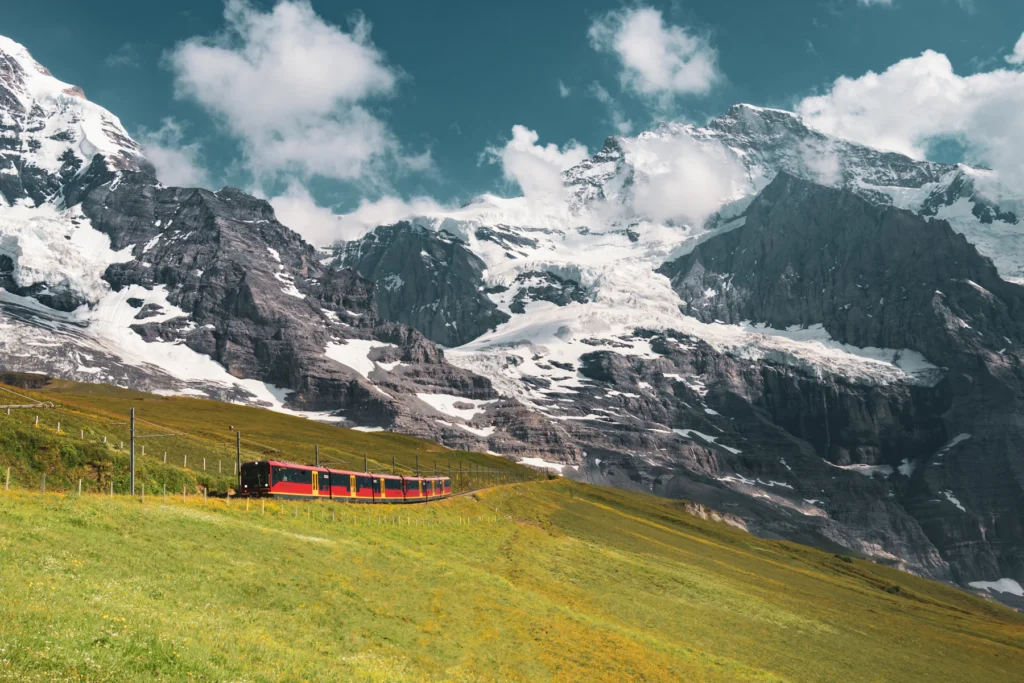
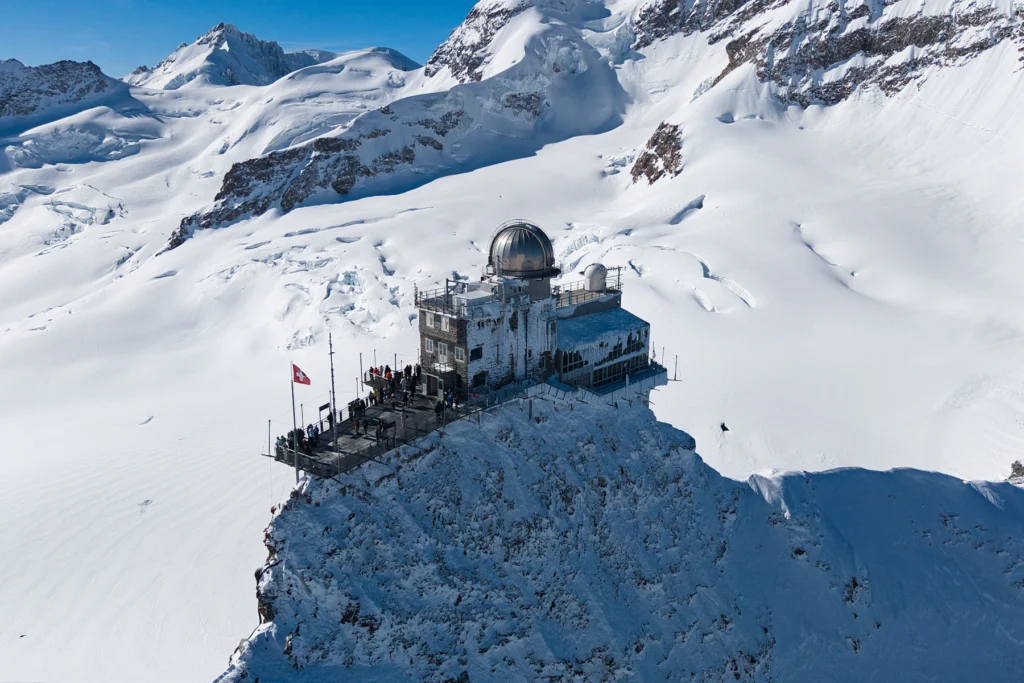
- Jungfraujoch (Top of Europe): According to Jungfrau Railways, there is snow and ice on the plateau 365 days a year. Even in July, expect temperatures around freezing.
- Mt Titlis (Engelberg): Open 365 days a year according to TITLIS, with glacier snow at the top in summer. Check which lifts are running for your dates, as individual lifts close for maintenance in late October and November.
So you do not need a winter trip to see snow.
Snow in towns and villages
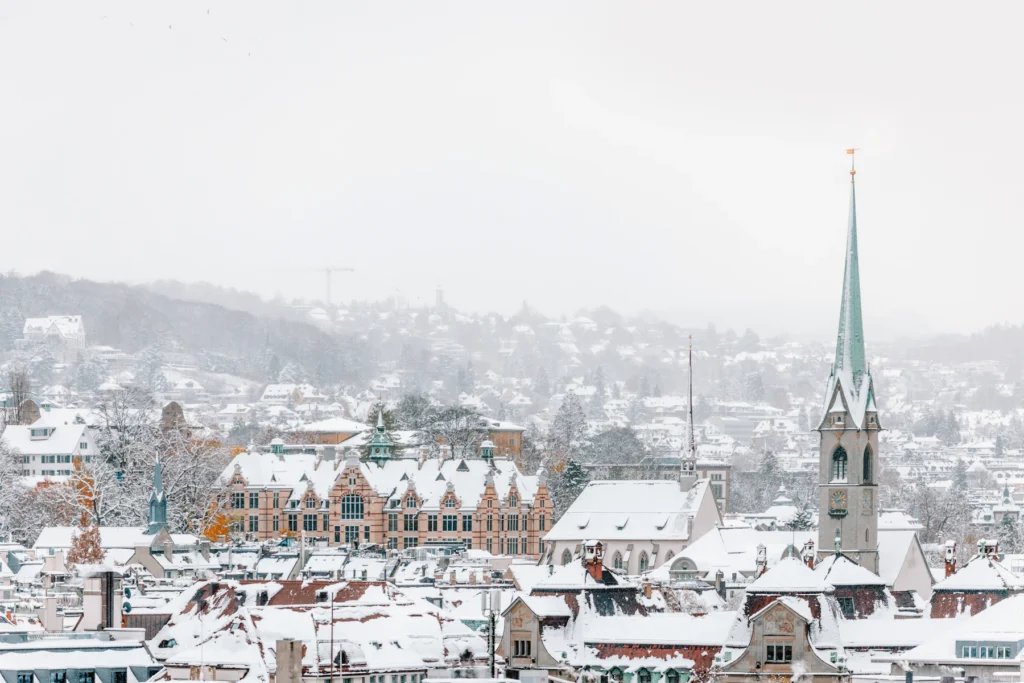
For snow on rooftops in places like Engelberg, Grindelwald or Wengen, mid-December to March is your window. January and February are the most reliable. Snow in the lakeside cities (Zurich, Lucerne, Geneva) comes and goes; do not plan a trip around seeing snowy streets in Lucerne.
Green and white together
Late May, June and late September give the classic picture of green meadows below and snowy peaks above. For many couples who say they want snow, this is the picture they actually have in mind.
What closes when: the dates that catch people out
A few closures and timetable changes can quietly break an itinerary. These are the ones we check on every booking.
- Glacier Express: No trains at all from 11 October to 4 December 2026. The winter timetable runs from 5 December 2026 to 7 May 2027. Seat reservations open 93 days before travel, per the Glacier Express timetable, and summer dates go quickly.
- Lake Lucerne boats: The winter timetable runs from 19 October 2026 to 16 April 2027, according to the Lake Lucerne boat operator. Boats still run, but far less often, so a relaxed cruise needs planning around fewer departures. Check Lake Thun’s winter timetable too if a cruise there is on your plan.
- Rhine Falls boats: Daily from about March to early November. In winter they run only on weekends or by charter, with a full break from 24 December to 3 January, per the Rhyfall Mändli boat operator. The falls themselves can be seen from the viewing paths in any season.
- Titlis Rotair: Closed from 17 August to 11 December 2026, with TITLIS Connect taking visitors up meanwhile. Titlis itself stays open.
- Lift maintenance: Many mountain lifts pause for a few weeks between seasons, mostly in late October and November, and some in April or May. Mountain restaurants and smaller hotels in ski villages may also close in these gaps.
Mid-October to early December has the most gaps, so we plan those trips around cities, lakes and whichever mountain excursions are confirmed open.
Daylight: why it matters more than you think
Daylight decides how much fits comfortably into a day.
- Around 21 June: about 16 hours of daylight in Zurich, with sunset around 9:26 pm. You can do a mountain excursion, come back, rest, and still walk by the lake in daylight after dinner.
- Around the March and September equinoxes: about 12 hours, which is comfortable for one main excursion a day.
- Around 21 December: about 8.5 hours, with sunset around 4:37 pm. Mountain trips need an early start, and evenings belong to Christmas markets, fondue and the hotel.
In June, children may struggle to sleep when it is still bright at 9 pm. In December, the afternoon light goes very early, so plan photo stops before 3 pm.
Events calendar 2026–27
Checked on 24 October 2026. Christmas market dates are approximate; confirm with the organisers before you book.
| Event | Where | Dates | Worth planning around? |
|---|---|---|---|
| Christmas markets | Zurich | Around 19 Nov–23 Dec 2026 | Yes, for a festive December trip |
| Christmas markets | Montreux | Around 20 Nov–24 Dec 2026 | Yes, lakeside setting |
| Christmas markets | Basel | Around 26 Nov–23 Dec 2026 | Yes, easy day trip from Zurich |
| Basel Fasnacht (carnival) | Basel | 15–17 Feb 2027 | Fun, but Basel gets packed |
| Montreux Jazz Festival | Montreux | 2–17 Jul 2027 | For music lovers; book hotels early |
| Swiss National Day | Nationwide | 1 August every year | Fireworks and bonfires; some shops closed |
| Lucerne Festival in Summer | Lucerne | 12 Aug–12 Sep 2027 | Classical music; Lucerne hotels fill up |
Basel Fasnacht dates are from the Basel tourism office. Big events also push up hotel prices in that city.
Best time for a Switzerland honeymoon
Many Indian weddings fall between November and February, so a winter honeymoon is often the default. Know the trade-offs first.
Winter honeymoon (mid-December to March): Snow in the villages, Christmas markets in December, fondue evenings and very romantic hotel stays. The downsides are short days, cold that limits time outdoors, reduced lake timetables and higher prices over Christmas and New Year. If your wedding is in late November or early December, the first half of December is a sweet spot: markets are open, the Glacier Express is back from 5 December 2026, and the Christmas price jump has not started.
Summer or September honeymoon: If you can delay the trip by a few months, May, June and September give you warm days, long evenings, full lake cruises and snow at the top of Titlis or Jungfraujoch. September is our favourite: summer scenery with fewer crowds.
Avoid if you can: November. Grey weather and closures make it a weak choice for a once-in-a-lifetime trip. If you are deciding between countries, our Switzerland vs Austria honeymoon comparison covers how the two differ by season.
Best time for a family trip (and Indian school holidays)
Family dates are usually decided by the school calendar, not the weather. A few planning observations from how Indian families book:
- May–June summer break: The most popular time for Indian families, and a very good time for Switzerland weather-wise. The catch is demand: Schengen visa appointments, flights and family rooms all get tight. Start visa planning early; our Schengen visa tips for Indians explain the document checklist.
- Diwali break (October or November, depending on the year): Quieter and better value, but it overlaps with the Glacier Express gap and the start of lift maintenance. Fine for a lakes-and-cities trip with Titlis; not the time for a scenic train.
- Christmas winter break (late December): Snow, markets and festive lights, but this is the most expensive fortnight of the year. Book three to four months ahead.
With grandparents, we usually suggest late May, June or September. Temperatures are comfortable, and there is less ice underfoot. If an older parent has heart or breathing concerns, ask their doctor before planning Jungfraujoch at 3,454 m, in any month.
Children sharing a room cost extra on any package; on our 6-day trip, a child aged 6–12 sharing without an extra bed is ₹29,000. For a full rupee breakdown including flights and visas, see our Switzerland trip cost from India guide.
How weather affects mountain days
A clear mountain day makes a Switzerland trip. You can pay for Jungfraujoch or Titlis and see only cloud at the top, in any season, including July.
How we plan around it:
- Keep one flexible day. In a 6-day trip, we avoid locking the mountain excursion to one date where we can. If the forecast for Tuesday is cloudy and Wednesday is clear, we swap the mountain day with a city or chocolate day.
- Check the summit webcams the evening before. Both mountains publish live summit webcams on their websites. If the top is in cloud at 7 am, it often stays that way.
- Go early. Summer afternoons bring cloud build-up and thunderstorms. The first trains and cable cars usually give the clearest views.
- Book high-value add-ons last. Our Jungfraujoch add-on (₹20,000 per person) is something we prefer to schedule once the forecast is clearer.
Rain in the valley does not always mean cloud at the top; the webcam tells you more than the city forecast.
What to pack by season
Summer (June to August)
- Light layers, plus a warm fleece or light down jacket for Titlis and Jungfraujoch, where it is around freezing.
- A compact umbrella or rain jacket for afternoon showers.
- Sunglasses and sunscreen; snow glare at the top is strong.
Spring and autumn (April, May, September, October)
- Layers you can add or remove: thermal top, sweater, waterproof jacket.
- A warm hat and gloves for mountain days.
- Waterproof shoes, as paths can be wet.
Winter (December to March)
- Thermal inner wear, a proper insulated winter jacket, warm hat, gloves and a scarf.
- Waterproof boots with good grip for icy pavements; this matters most for parents.
- Lip balm and moisturiser; the air is dry and cold.
Sample 6-day plans: summer and winter
Both outlines are based on our 6-day Switzerland package (₹1,19,000 per adult on double sharing, land only), with 5 nights at the IntercityHotel Zurich Airport and a Swiss Travel Pass for days 2 to 5. Staying in one hotel means no daily packing and checking in. The order of days shifts with the weather.
Summer outline (June to September)
- Day 1: Arrive in Zurich, shared shuttle to the hotel, rest. Evening walk in Zurich if energy allows; the sun sets late.
- Day 2: Mt Titlis with the Ice Flyer over the glacier. Snow at the top even in summer. Evening in Lucerne by the lake.
- Day 3: Lake Thun cruise on the full summer timetable, with time in Interlaken. Add Jungfraujoch (₹20,000 per person) on the clearest day.
- Day 4: Rhine Falls with the boat ride (daily in season), then Lindt Home of Chocolate.
- Day 5: Your choice of Bern, Geneva, Lugano or the Glacier Express, with seat reservation included subject to availability. Book the Glacier Express as soon as reservations open, 93 days ahead.
- Day 6: Transfer to Zurich Airport.
Winter outline (mid-December to March)
- Day 1: Arrive, rest, and if it is December, an evening at the Zurich Christmas market.
- Day 2: Mt Titlis for snow play and the Ice Flyer, weather and lift schedule permitting. Start early; light fades by mid-afternoon.
- Day 3: Interlaken and the Lake Thun area. Lake boats run reduced winter timetables, so we fix the cruise around the departures that run, or switch to a scenic train. Optional Jungfraujoch on a clear day.
- Day 4: Lindt Home of Chocolate and Rhine Falls from the viewing paths. The boat ride runs only on some winter weekends (and not 24 December to 3 January), so we confirm before promising it.
- Day 5: Glacier Express on the winter timetable (from 5 December 2026), or a day in Bern, Geneva or Lugano.
- Day 6: Departure.
If you want to add Paris, our 7-day Switzerland and Paris trip (₹1,69,000 per adult) follows the same Swiss base, then adds two nights in Paris with the Eiffel Tower summit and Disneyland Paris. For a deeper look at regions, food and getting around, see our Switzerland travel guide.
Mistakes to avoid when picking your dates
- Booking the Glacier Express for late October or November. It does not run from 11 October to 4 December 2026.
- Locking the mountain day to a fixed date. Keep one flexible day and decide on the forecast.
- Applying for the Schengen visa late in peak season. May, June and December appointments fill fast. Start as early as the rules allow.
- Trying to see five regions in six days. Switzerland rewards slow travel. Our guide on how many days you need for a Europe trip explains how to pace a multi-country holiday.
- Ignoring the rest of Europe’s seasons. If you are combining Switzerland with Italy or France, a perfect Swiss month may be hot in Rome. Our best time to visit Europe guide helps match them.
Frequently asked questions
Which is the best month to visit Switzerland from India?
September is the best all-round month: warm days, all attractions open and fewer crowds than July and August. June is a close second, especially for families on the summer break.
Can we see snow in Switzerland in May or June?
Yes. Jungfraujoch has snow and ice 365 days a year, and Mt Titlis has glacier snow at the top in summer. The valleys will be green.
Is December a good time for a Switzerland honeymoon?
Yes, especially the first half. Christmas markets run from around 19 November to 23 December in Zurich, the mountains are usually snowy, and prices are lower than in the Christmas to New Year week. Days are short, with sunset around 4:37 pm.
Which is the cheapest time to visit Switzerland?
November and the quieter weeks of January, March and October are usually the best value. November has the most closures, so for a first trip, May and September give a better balance of price and experience.
Is Switzerland worth visiting in October?
Yes, for autumn colours and quiet towns, but plan around closures: the Glacier Express stops from 11 October 2026 and Lake Lucerne moves to its winter timetable from 19 October 2026.
Does it rain a lot in Switzerland in July and August?
Summer has the most rain, mostly as afternoon showers. Zurich averages about 126 mm in July, and Lucerne gets around 170 mm in August. Plan mountain trips for the morning.
Is winter too cold for elderly parents?
Zurich averages 3.5°C by day and −1.4°C at night in January, and icy pavements are the bigger risk. With good boots and warm layers it is manageable, but late May, June or September is easier for most parents.
How many days do we need in Switzerland?
Six days (five nights) covers Titlis, Lake Thun, Rhine Falls, Lindt and one choice day at a relaxed pace. Add a day if you want Jungfraujoch without rushing.
If you have dates in mind and want an honest view on whether they suit your plans, or which month fits your wedding or school calendar, message us on WhatsApp at +91 79829 78745. A real person from our team will reply, and there is no obligation to book.