

In this guide 14 sections
- Japan’s seasons at a glance
- Month-by-month guide to Japan
- Cherry blossom season: when and where
- Autumn colours: November into December
- Winter and snow: Hokkaido, the Alps and Shirakawa-go
- Summer: festivals, heat and Hokkaido
- Japanese holiday periods to avoid
- Honeymoon or family trip: which month fits
- Vegetarian food in Japan: practical tips
- Visa and flights from India
- A sample 7-day Tokyo, Kyoto and Osaka plan
- What a Japan trip costs from India
- Mistakes we see Indian travellers make
- Frequently asked questions
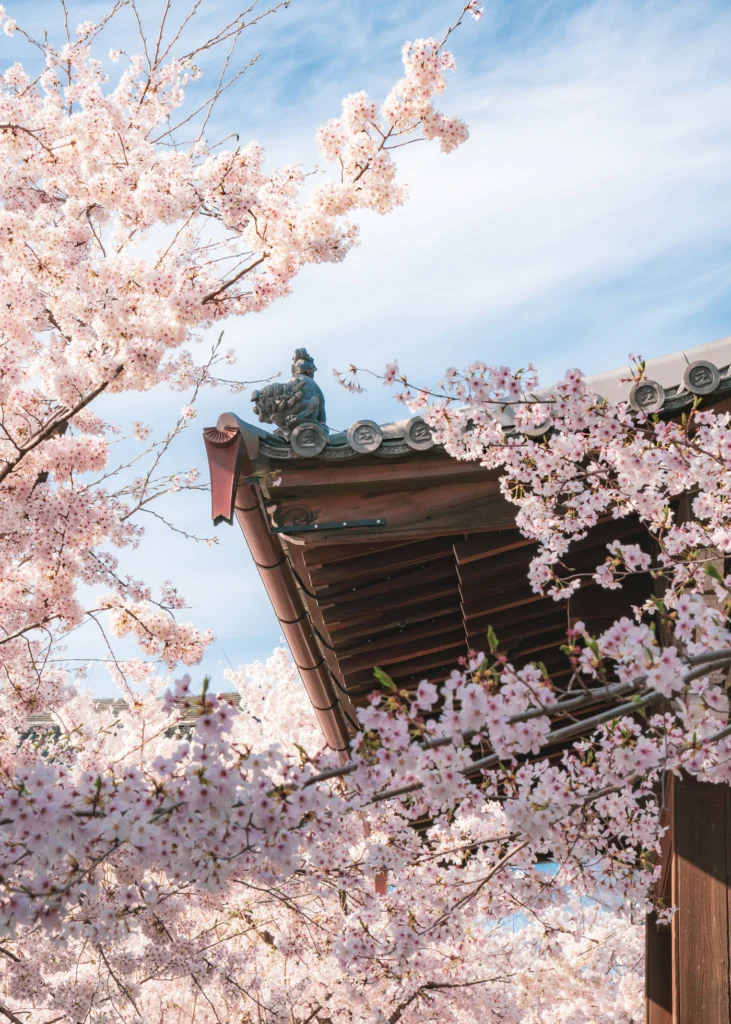
Short answer: For cherry blossom, go in late March to early April: the long-term average full bloom is 3 April in Tokyo, 4 April in Kyoto and 5 April in Osaka. For autumn colours, go from mid-November to early December, when Tokyo and Kyoto are at their best. Avoid Golden Week (29 April to 5 May in 2027), the rainy season (roughly early June to mid-July in Tokyo) and, if you can, typhoon months from July to September. For snow, plan January or February in Hokkaido or the Japanese Alps.
In Japan the month you choose changes the whole holiday. The same Kyoto temple is pink in early April, wet and green in June, red and gold in late November and quiet under snow in January. Hotel prices and crowds swing with the seasons, and Japan’s own holiday calendar matters as much as the weather.
Indian travellers also need to plan the visa, flights before holiday fares rise, and vegetarian food in a country where fish stock goes into almost everything. Below: each month, the three big seasons, dates to avoid and a sample 7-day plan.
Japan’s seasons at a glance
Blossom opens in the south first and moves north; autumn colour starts in Hokkaido and moves south. The table is for the classic Tokyo, Kyoto and Osaka route unless stated.
| Season | Months | What you get | Watch out for | Best for |
|---|---|---|---|---|
| Cherry blossom | Late March to early April | Sakura in parks, rivers and temples; mild days | Highest hotel prices of the year; book 4 to 6 months ahead | Honeymoons, first trips |
| Late spring | Mid-April to May (minus Golden Week) | Fresh green, comfortable walking weather, fewer crowds | Golden Week, 29 April to 5 May 2027 | Families, value |
| Rainy season | Early June to mid-July | Hydrangeas, lush gardens, lower prices | Frequent drizzle and humidity | Flexible travellers |
| Summer | Mid-July to August | Festivals, fireworks, Hokkaido flowers | Heat, humidity, typhoons, Obon crowds in mid-August | Indian school holidays, Hokkaido |
| Early autumn | September to October | Cooling weather, Hokkaido colours from late September | Typhoon risk into September | Relaxed city trips |
| Autumn colours | Mid-November to early December | Red maples and yellow ginkgo in Tokyo and Kyoto | Kyoto temples very busy at weekends | Honeymoons, anniversaries, parents |
| Winter | December to February | Snow in Hokkaido and the Alps, clear skies in Tokyo, illuminations | New Year closures; cold for older travellers | Snow lovers, skiing, couples |
Month-by-month guide to Japan
January
The first few days of January are Japan’s New Year holiday. Families travel home, many small restaurants and some attractions close, and shrines are packed. From the second week, Tokyo has cold, dry, mostly sunny days, and Hokkaido and the Alps are deep in snow. A good month for a snow-focused trip, and hotel prices in the cities are lower than in spring.
February
The coldest month and the best for snow scenery. The Sapporo Snow Festival is usually held for about a week in early February in Odori Park and other sites in central Sapporo; the 2025 edition ran from 4 to 11 February according to the official festival website. Dates for 2027 had not been posted when we checked on 24 October 2026, so confirm before booking. Plum blossom starts appearing in Tokyo and Kyoto gardens late in the month.
March
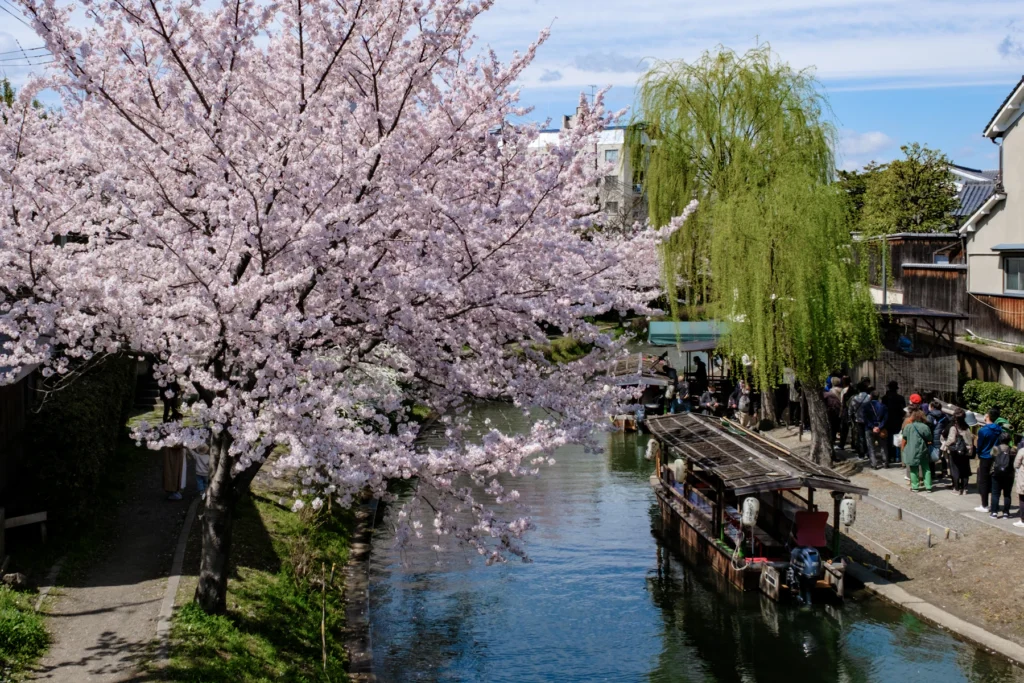
The first half is cool and quiet. From around the third week, blossom opens in Tokyo, then Kyoto and Osaka a few days later. Japanese school spring holidays begin too, so the end of the month gets busy.
April
Peak blossom in Tokyo, Kyoto and Osaka in the first week or so, then the trees turn green quickly. Further north, places like Tohoku bloom later in April and Hokkaido usually around early May. Late April is pleasant and less crowded until Golden Week begins on 29 April.
May
Golden Week runs into the first week of May. After that, May is one of the nicest and most underrated months: warm days, fresh green maples in Kyoto, and fewer tour groups. It also lines up with Indian summer school holidays, which makes it our usual suggestion for families who cannot travel in spring.
June
The rainy season (tsuyu) usually starts in early June around Tokyo. It is drizzle more than storms, and gardens and hydrangeas look lovely, but expect some grey days and humidity. Prices drop, and with an umbrella and indoor options (museums, food halls, digital art museums) it works well. Hokkaido has no proper rainy season, so a June trip that includes the north is a good idea.
July
Rain usually eases in the Tokyo area around mid-July, and then the heat and humidity arrive. July is festival month: Kyoto’s Gion Matsuri runs through the whole month, with the main float processions on 17 and 24 July (source: Japan National Tourism Organization). Hokkaido is at its best, with lavender fields around Furano and cooler air.
August
Hot and humid in Tokyo, Kyoto and Osaka, with fireworks and summer festivals across the country. Obon in mid-August is a major domestic holiday, so trains and hotels fill up. Typhoon season is also under way. If August is your only window (as it is for many families with school-going children), lean towards Hokkaido and keep city sightseeing to mornings and evenings.
September
Still warm in the first half, and September is a common month for typhoons, so keep a day of slack in the plan. Late September brings the first autumn colours to the mountains of Hokkaido. Crowds are lighter than spring or November.
October
Comfortable and mostly dry, with cooler evenings. Colours spread through Hokkaido and the higher mountains, while Tokyo and Kyoto are still green. A good balanced month for a first trip. Diwali often falls in October or November, so book early for those dates.
November
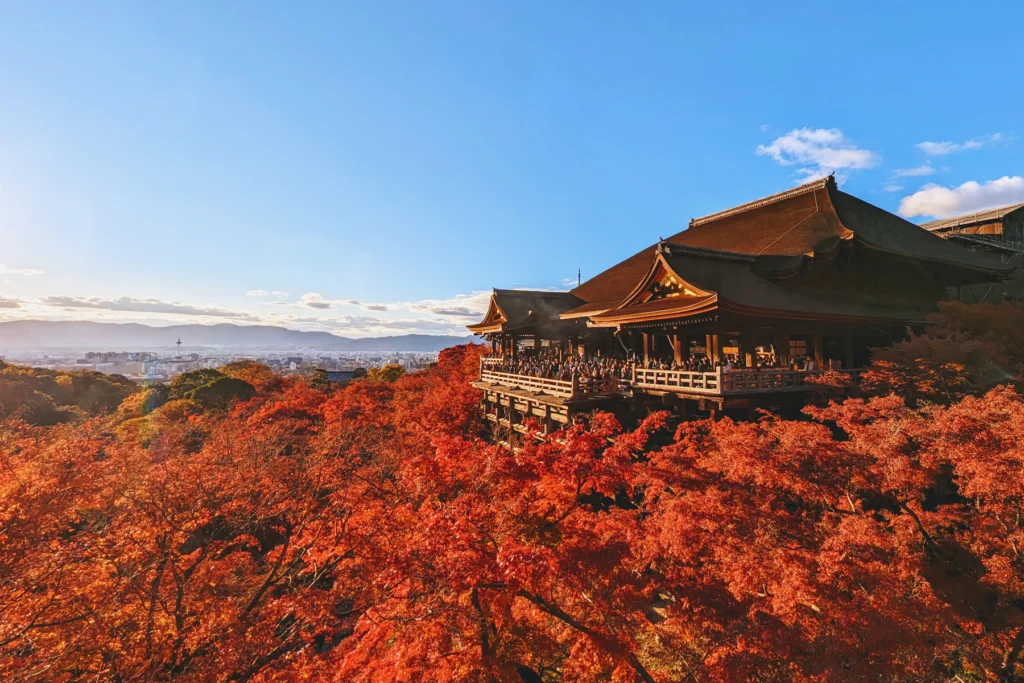
The autumn colour season reaches the cities. In Tokyo, ginkgo trees turn yellow and maples go red from mid to late November. Kyoto is the big draw, with peak maples usually in late November to early December. It is the second-busiest month for hotels after blossom season.
December
Kyoto’s maples often hold into the first week of December. After that, the cities quieten, Christmas illuminations go up in Tokyo and Osaka, and the ski season begins in Hokkaido and Nagano. The last few days of December lead into New Year closures, so finish city sightseeing before about 28 December.
Cherry blossom season: when and where
Average bloom dates by city
These are 30-year averages from the Japan Weather Association (tenki.jp). “First bloom” is when the official sample tree opens its first few flowers. “Full bloom” is when about 80% of flowers are open, which is the look you see in photographs.
| City | Average first bloom | Average full bloom | Good viewing window (estimate) |
|---|---|---|---|
| Tokyo | 24 March | 3 April | About 28 March to 8 April |
| Kyoto | 26 March | 4 April | About 30 March to 10 April |
| Osaka | 27 March | 5 April | About 31 March to 10 April |
The viewing window is our estimate: trees look good from a few days before full bloom until about a week after, depending on wind and rain. Recent years have often been early. In 2026, Tokyo’s first bloom was on 19 March and full bloom on 28 March, three days earlier than average.
How the forecasts work
Japanese weather companies publish blossom forecasts from around January and update them every week or so as the season gets closer. Forecasts for 2027 had not been published when we checked on 24 October 2026. The forecast gets more reliable in the last three to four weeks, which is too late to book flights and hotels at good prices. So the practical approach is to book around the average, then use the forecast to rearrange days, not to choose the trip dates.
How to plan flexible days
We usually build a sakura trip like this:
- Book across the average dates. For a Tokyo, Kyoto and Osaka trip, arriving around 29 March and leaving around 5 April covers the most likely bloom in all three cities.
- Start in Tokyo, end in Kyoto and Osaka. Kyoto and Osaka bloom one or two days after Tokyo on average, so this order follows the blossom.
- Keep two “swing” days with no paid tickets, so you can move a park visit or a day trip to Nara when the trees peak.
- Go early. Famous spots such as the Philosopher’s Path in Kyoto are calm before 8 am and crowded by 10 am.
Where to stay in sakura season
In Tokyo, staying near a major JR station (Tokyo Station, Shinjuku or Shinagawa) makes the shinkansen day easy, and parks like Ueno, Shinjuku Gyoen and the Chidorigafuchi moat are a short ride away. In Kyoto, the Higashiyama and Gion area puts you within walking distance of Maruyama Park and the Philosopher’s Path, while staying near Kyoto Station is better for families with luggage and day trips. Book four to six months ahead: blossom week is the most expensive time of year, and good hotels near the main spots sell out.
Autumn colours: November into December
Autumn weather is drier and more settled than spring, and the colour lasts longer than the blossom.
Timing in 2026, and what it tells you for 2027
The Japan Meteorological Corporation forecast for autumn 2026, reported by Nippon.com, puts Tokyo’s ginkgo at its best around 26 November and maples around 29 November. In Kyoto, ginkgo is forecast around 27 November and maples around 11 December. Kyoto’s maples have tended to peak later than many travellers expect, so for Kyoto we suggest the last week of November into the first week of December rather than mid-November.
Where to see the colours
- Tokyo: ginkgo avenues in the Meiji Jingu Gaien area, Rikugien garden and Shinjuku Gyoen.
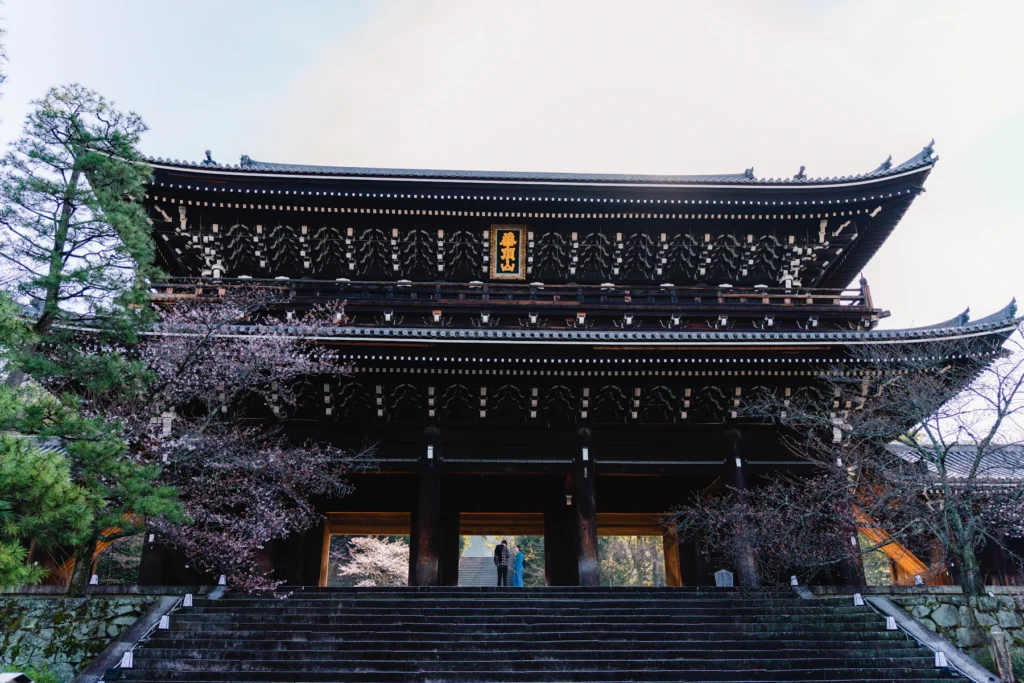
- Kyoto: Tofuku-ji, Eikan-do, Kiyomizu-dera and Arashiyama. Several temples open in the evening with lit-up maples in season.
- Nikko and Hakone: mountain areas near Tokyo that turn earlier than the city, roughly late October to early November depending on altitude.
- Hokkaido: the first colour in Japan, from late September in the mountains.
Winter and snow: Hokkaido, the Alps and Shirakawa-go
Indian travellers often ask us for “snow and a city” in one trip. Japan does this well, and city hotels are usually cheaper than in spring.
Hokkaido
Sapporo, Otaru and the ski area of Niseko get reliable snow from December to March. January and February are the safest months for deep snow. Sapporo is a short domestic flight from Tokyo. The Snow Festival in early February draws big crowds, so book Sapporo hotels months ahead if you want those dates.
The Japanese Alps
Nagano Prefecture, including Hakuba and the area around Nagano city, is reachable by shinkansen from Tokyo, so it suits a short snow add-on. It is also where you can see the snow monkeys at Jigokudani, usually best in January and February when the hot springs steam in the cold.
Shirakawa-go
The thatched farmhouses of Shirakawa-go, a UNESCO World Heritage village, look their most famous under snow in January and February. Day tours from Takayama or Kanazawa are common. Expect cold, icy paths, so pack proper shoes with grip, especially for parents.
For older parents, keep the snow part short, choose hotels close to stations and add an onsen ryokan night to warm up.
Summer: festivals, heat and Hokkaido
- Heat and humidity. Tokyo, Kyoto and Osaka are hot and sticky from mid-July through August. Kyoto, in a basin, can feel heavier than Tokyo. Plan outdoor sightseeing for early morning and evening, and use the afternoons for museums, shopping or a rest at the hotel.
- Rainy season first. The normal rainy season for the Kanto-Koshin region (Tokyo) runs from about 7 June to about 19 July, according to Japan Meteorological Agency records.
- Typhoons. About 26 typhoons form each year and around 3 make landfall in Japan, mostly between July and September (JMA figures reported by Nippon.com). Most trips are not affected, but a typhoon can cancel flights and trains for a day. Keep a buffer day before your flight home and buy cover through a good international travel insurance policy.
- Festivals. Gion Matsuri in Kyoto (all of July), fireworks displays and local summer festivals are the upside of the season.
- Hokkaido. Cooler, with flower fields around Furano and Biei in July. For a summer family trip, a Tokyo plus Hokkaido plan is often better than Tokyo plus Kyoto.
Japanese holiday periods to avoid
During Japan’s own holidays, trains, hotels and sights fill with domestic travellers and prices rise.
| Holiday period | Dates | What happens |
|---|---|---|
| New Year (Shogatsu) | About 29 December to 3 January | Many shops and restaurants close; shrines packed; trains full around the start and end |
| Golden Week | 29 April to 5 May 2027 | Japan’s busiest travel week; hotels expensive and shinkansen seats scarce |
| Obon | Mid-August (around 13 to 16 August) | Families travel home; trains and highways very busy |
| Blossom weekends | Late March to early April | Not an official holiday, but parks and Kyoto temples are crowded |
The 2027 Golden Week dates come from Nippon.com’s 2027 holiday calendar. If your trip has to touch one of these periods, book hotels and shinkansen seats as early as possible and spend the peak days somewhere less obvious.
Honeymoon or family trip: which month fits
For honeymoons and anniversaries
Late March to early April and mid-November to early December are the two most romantic windows, and they are also the busiest. If your wedding is in winter (common in India from November to February), a January or February honeymoon with snow in Hokkaido or Nagano, a ryokan night with a private hot spring and quiet city days can be lovely and better value. Japan also sits well alongside other options in our guide to honeymoon destinations Indian couples love, if you are still deciding.
For families with children
Indian school holidays usually fall in May and June, Diwali, and late December. May (after Golden Week) is our first choice: warm, mostly dry and not peak priced. June works if you accept some rain. Late December is fine until about the 28th, then New Year closures start. Theme parks such as Tokyo Disney Resort and Universal Studios Japan in Osaka are much busier on Japanese school holidays and weekends, so pick weekdays.
Travelling with parents
Spring and autumn are kindest for older travellers: mild temperatures and dry paths. Avoid peak summer heat and icy winter paths. Japanese trains involve stairs and long station walks, so we use luggage forwarding between hotels (takkyubin) and keep one-hotel stays longer. More ideas are in our guide to planning an international trip with parents.
Vegetarian food in Japan: practical tips
Japan is very safe and easy to travel in, but it is not naturally vegetarian-friendly. The main issue is dashi, a stock usually made with bonito (fish) flakes, which goes into miso soup, most noodle broths and many sauces. A dish that looks vegetarian often is not.
- Learn one phrase and carry a card. Saying you are vegetarian is often understood as “no meat” only. A printed card in Japanese that says no meat, no fish, no seafood, no fish stock (and no egg, if that applies) works far better than explaining.
- Shojin ryori in Kyoto. Buddhist temple cuisine is traditionally made without meat or fish, and several Kyoto temples and restaurants serve it. It is one of the best meals of the trip for vegetarians. Book ahead.
- Indian restaurants. Tokyo and Osaka have many Indian restaurants, which helps parents who want dal and roti after a few days.
- Convenience stores. 7-Eleven, FamilyMart and Lawson sell fruit, salads, bread, yoghurt and rice balls. Read labels or use a translation app; some fillings contain fish.
- Use apps and plan. We share vegetarian-friendly restaurant suggestions for each city before you travel, so you are not searching when hungry.
Visa and flights from India
Japan visa for Indian passport holders
Indian tourists need a visa for Japan. According to the Embassy of Japan in India (checked 24 October 2026):
- Applications go through VFS Global, and you can apply up to 3 months before travel.
- The visa fee for Indian nationals is ₹500 from 1 July 2026, plus the VFS service fee.
- Since 1 April 2024, single-entry short-term tourist visas are issued as an eVISA, but you still apply through VFS.
- Processing time varies, so do not leave it to the last fortnight, especially before blossom season and Diwali.
The document list usually covers your passport, photograph, application form, flight and hotel bookings or an itinerary, and proof of funds such as bank statements and income tax returns. Requirements can change, so check the current checklist on the VFS Japan page for your region before applying. We help our travellers prepare the file.
Flights from Delhi and Mumbai
- Delhi to Tokyo: Air India flies daily to Tokyo Haneda (about 8 hours), and JAL has flown daily to Narita since January 2026 (about 7 hours).
- Mumbai to Tokyo: about 9 hours non-stop with Air India or ANA.
- Time difference: Japan is 3.5 hours ahead of India.
Schedules change, so check with the airlines before booking. Fares rise sharply for blossom week, Diwali and late December; booking 3 to 5 months ahead is a sensible rule of thumb.
Is the JR Pass worth it?
The official Japan Rail Pass costs ¥50,000 for 7 days in standard class (¥70,000 Green Car), ¥80,000 for 14 days and ¥100,000 for 21 days when bought online; children aged 6 to 11 pay half. For a simple Tokyo, Kyoto and Osaka loop with one long shinkansen ride each way, individual tickets usually work out cheaper. The pass makes sense if you add Hiroshima, Kanazawa, Nagano or several long day trips. We work this out for each itinerary.
A sample 7-day Tokyo, Kyoto and Osaka plan
The classic first-trip route. It works in every season; we change the parks and day trips to match the month.
- Day 1, Tokyo: Arrive in the morning, check in, short walk in Asakusa (Senso-ji) and an early night.
- Day 2, Tokyo: Meiji Jingu, Harajuku and Shibuya in the morning; Shinjuku Gyoen (blossom or autumn colour); evening views from a city observation deck.
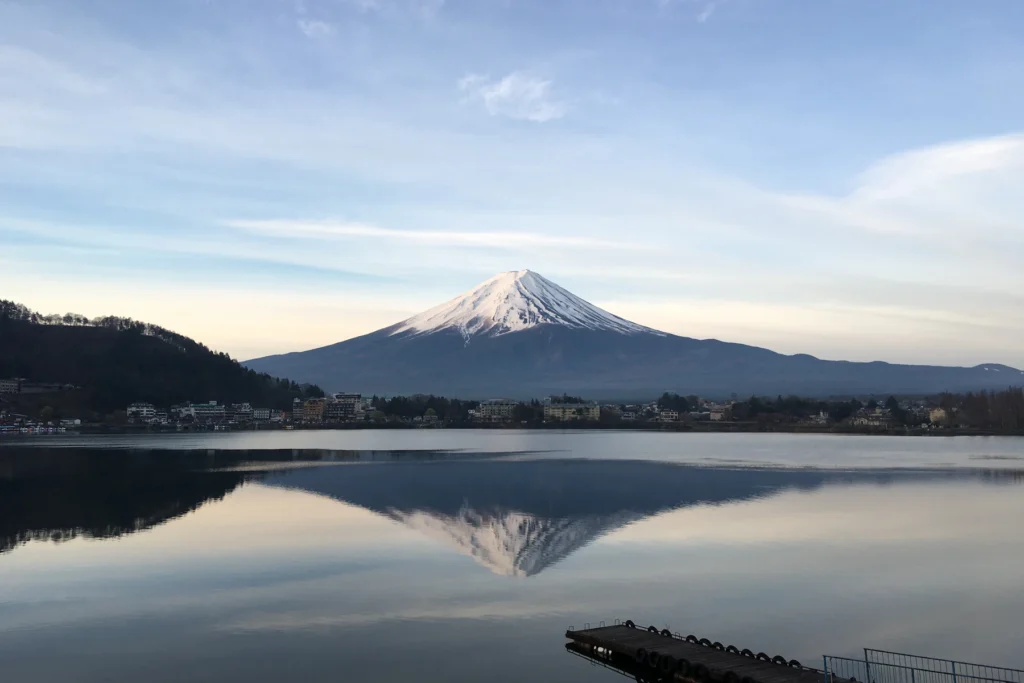
- Day 3, Mt Fuji or Hakone day trip: Lake Kawaguchiko or Hakone for Fuji views, which are usually clearest in winter and on dry autumn and spring mornings.
- Day 4, Tokyo to Kyoto: Shinkansen (a little over two hours on the fastest trains), luggage forwarded ahead. Afternoon in Gion and Higashiyama, evening at Maruyama Park or a lit temple in season.
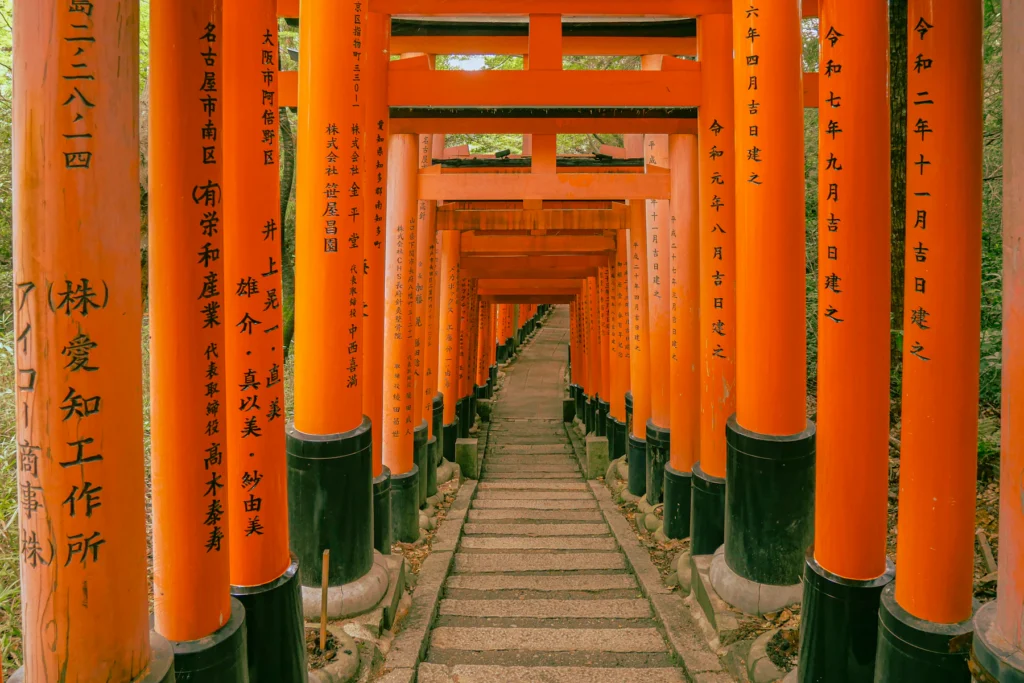
- Day 5, Kyoto: Fushimi Inari at opening time, then Kiyomizu-dera; shojin ryori lunch for vegetarians.
- Day 6, Arashiyama and Nara: Bamboo grove early, then Nara’s Todai-ji and deer park in the afternoon, and on to Osaka for the night.
- Day 7, Osaka: Osaka Castle grounds and Dotonbori, or Universal Studios Japan for families, then fly home from Kansai Airport.
Seven days covers this route without rushing. For a honeymoon, we often add a ryokan night in Hakone.
What a Japan trip costs from India
Naviora’s customised 7-day Japan trips start from ₹1.99 lakh per person, land only (flights and visa extra), and the final price depends on your hotels, dates and experiences. Prices are highest in blossom week and late November, and lower in January, February, June and early October. For a full breakdown of flights, hotels, rail, food and daily spends, read our Japan trip cost guide from India.
Mistakes we see Indian travellers make
- Booking blossom dates from a forecast. Forecasts arrive too late for good fares. Book around the average dates and keep flexible days.
- Visiting Kyoto in “mid-November” for autumn colour. In many years Kyoto’s maples peak late November to early December.
- Forgetting Golden Week, Obon or New Year. A trip from 1 to 5 May or 30 December to 3 January costs more and sees much more crowding.
- Carrying big suitcases on trains. Use luggage forwarding between cities. Shinkansen also have rules for very large bags, so check before you travel.
- Cramming Tokyo, Kyoto, Osaka, Hiroshima and Hokkaido into a week. Pick one region and do it well.
- Assuming “vegetable” means vegetarian. Fish stock is in most soups and broths. Carry the card.
- No buffer before the flight home in typhoon months. Stay near your departure airport on the last night in August and September.
If you would rather have a beach than a city break in winter, the Andaman Islands are at their best in the same months; see our guide to the best time to visit the Andamans.
Frequently asked questions
What is the best month to visit Japan from India?
Early April for cherry blossom, or late November for autumn colours. If you want fewer crowds and lower prices, May (after Golden Week) and October are excellent all-round months.
When is cherry blossom season in Tokyo and Kyoto?
On average, Tokyo’s full bloom is 3 April and Kyoto’s is 4 April, with first flowers about 9 to 10 days earlier. Recent years have often been a few days early, as in 2026.
When will the 2027 cherry blossom forecast come out?
Usually from January, with weekly updates. It was not out when we checked on 24 October 2026.
Can I see snow in Japan in December?
Yes, in Hokkaido and the Nagano mountains, usually from December. January and February are safer for deep snow. Tokyo, Kyoto and Osaka rarely have lasting snow.
How many days are enough for Japan?
Seven days covers Tokyo, Kyoto and Osaka with a Mt Fuji or Nara day trip. Add 3 to 4 days for Hokkaido, Hiroshima or a ryokan stay.
How long does a Japan visa take for Indians?
The Embassy of Japan says processing time varies. You can apply through VFS up to 3 months before travel, so apply early in that window, especially for April and November trips.
Is Japan good for vegetarians?
It takes planning, because fish stock is common. With a Japanese food card, shojin ryori in Kyoto, Indian restaurants in Tokyo and Osaka, and convenience store snacks, vegetarians manage well.
Should we avoid Japan during typhoon season?
You do not need to avoid it, but keep a buffer day and travel insurance for July to September trips. Only about 3 of the roughly 26 typhoons a year make landfall in Japan.
Is Japan a good honeymoon destination in winter?
Yes. January and February bring snow in Hokkaido and the Alps, quiet temples, clear Fuji views and hot springs, usually at lower prices than spring.
If you are weighing up blossom against autumn, or trying to fit Japan around school holidays or a wedding date, message us on WhatsApp at +91 79829 78745. We will tell you honestly which month suits your trip and share a sample plan.