

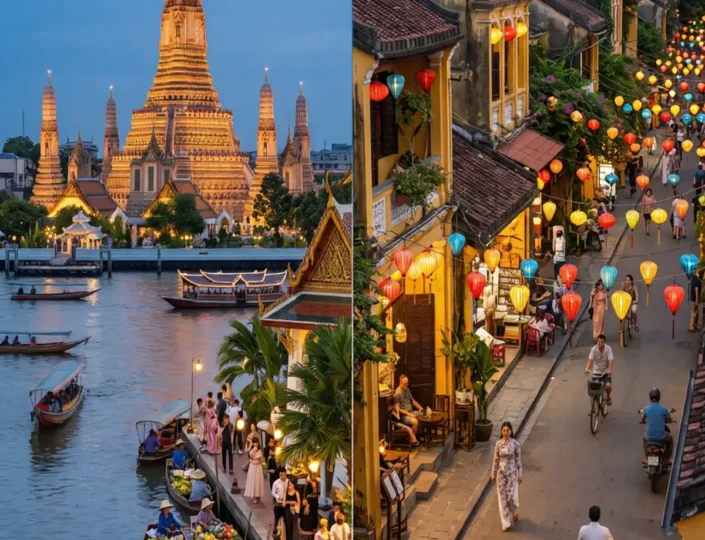
Quick answer
Thailand is still visa-free for Indians, but since 15 September 2026 the stay is 30 days, not 60, and the rules changed twice this year. Vietnam needs a visa arranged before you go, which takes a little planning but is predictable. For a short trip booked at the last minute Thailand is simpler; on a planned holiday, the visa fee barely moves the total budget.
In this guide 9 sections
- Thailand Visa-Free for Indians: Still On, Now 30 Days
- Vietnam for Indians: An e-Visa Is Still Needed
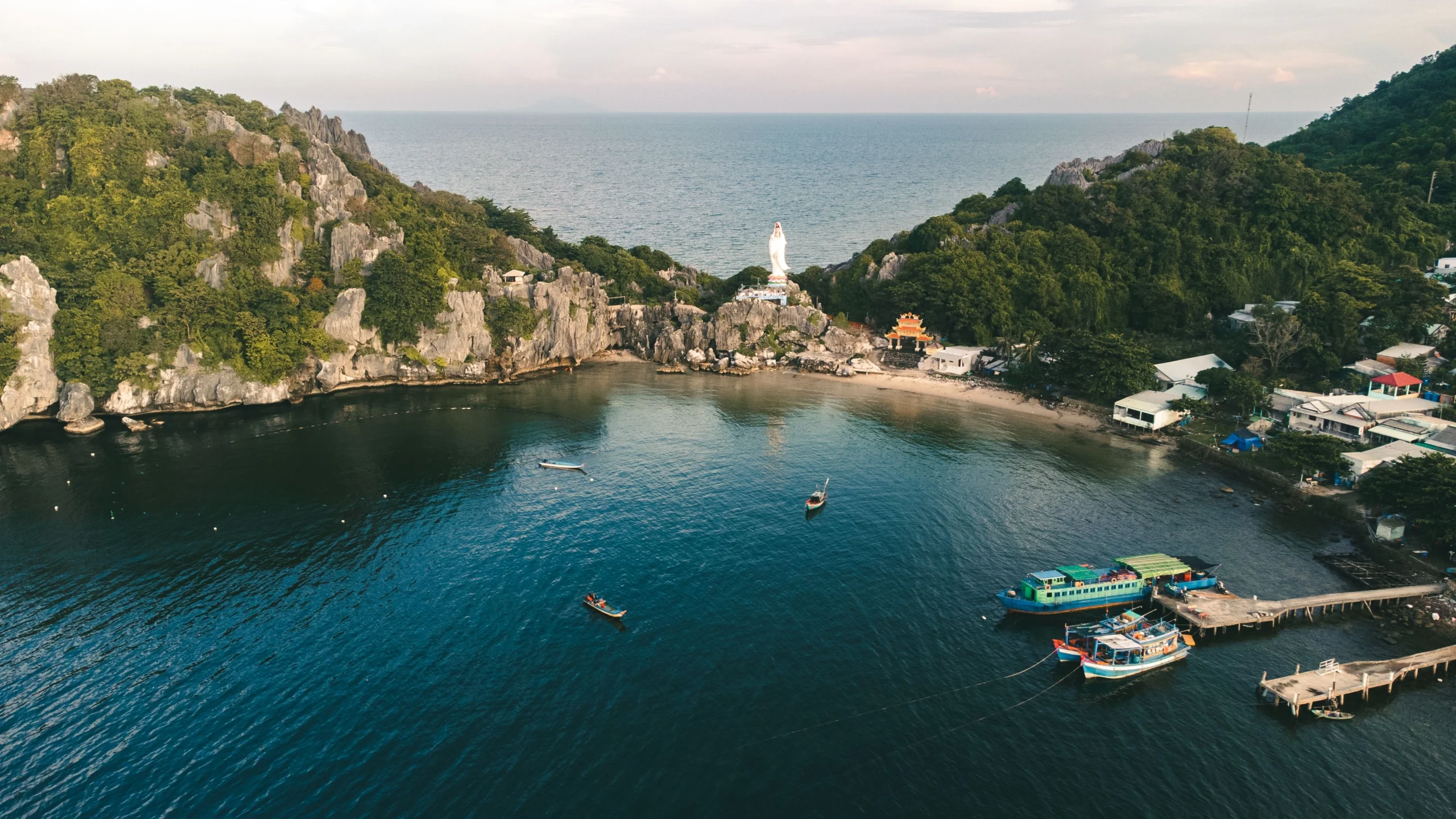
- So which one is genuinely simpler to plan around right now
- The visa fee is not where the real Thailand vs Vietnam trip cost difference lives
- Where geography actually decides your itinerary
- Who actually benefits from which trip
- Common mistakes worth avoiding
- Where this leaves you
- Frequently asked questions
A friend texts you a screenshot. Something about Thailand ending free entry for Indians. Another friend, a few weeks later, sends a different screenshot saying it’s back on, just shorter. Somewhere in your notes app is a half-written Vietnam itinerary you started six months ago and abandoned because the visa felt like one extra thing you didn’t want to deal with.
If this sounds familiar, you’re not behind on the news. You’re just trying to plan a holiday during a year when Thailand’s entry rules have changed direction twice, and most of the information floating around is either outdated or written before the second reversal.
Here’s what’s actually true right now, and more importantly, what it means for whether Vietnam vs Thailand for Indians makes more sense for your trip.
Thailand Visa-Free for Indians: Still On, Now 30 Days
Since mid-2024, Indian travellers landing in Thailand got a 60-day stamp with no visa application, no fee, nothing to arrange beforehand. It was the whole reason a Bangkok-Phuket trip felt like something you could decide on a Tuesday and book by Thursday.
In May 2026, that got messy. Thailand’s Cabinet approved a plan that would have moved India off the visa-free list entirely and onto a paid Visa on Arrival, capped at 15 days. Indian bookings to Thailand reportedly dropped once the news spread, which tells you something about how much of Thailand’s appeal for Indian travellers was riding on exactly that convenience.
By July, the government walked it back. India stays visa-free. The stay just shortens from 60 days to 30, which, if you’re being honest with yourself, is still plenty for the kind of trip most people are actually taking. Nobody is doing a two-month Thailand holiday on their annual leave anyway.
Update, 23 October 2026: the 30-day rule has been in force since 15 September 2026, so plan around 30 days. The paperwork is what catches people out. The Indian Embassy in Bangkok asks you to carry at least THB 20,000 in cash per person (roughly ₹58,000), a confirmed return ticket, your hotel bookings and a passport valid for six months, and to fill in the Thailand Digital Arrival Card within 72 hours before you land. Immigration can ask to see any of it.
The real lesson from all this isn’t the day count. It’s that Thailand’s visa-free status, something people used to treat as permanent, has now been rewritten twice in one year. That changes how much you should trust it while planning three months out.
Vietnam for Indians: An e-Visa Is Still Needed
Vietnam has required a visa from Indian passport holders for years, and nothing about that changed in 2026. The Vietnam e-visa for Indians usually costs somewhere between 25 and 50 US dollars depending on single or multiple entry, and processing takes three to five working days if you go through the official government portal directly.
There’s one small exception people rarely know about. Fly straight into Phu Quoc Island and skip the mainland entirely, and you get 30 days visa-free. Fine if your entire trip is a beach stay on that island. Useless if Hanoi, Hoi An or Ha Long Bay are anywhere on your list, which for most first-time visitors, they are.
None of this makes Vietnam easier than Thailand. It doesn’t. What it makes Vietnam is boring in the best possible sense. The process hasn’t changed. The cost hasn’t changed. The timeline hasn’t changed. In a year where Thailand’s rules have been rewritten twice, that kind of boring is actually worth something.
So which one is genuinely simpler to plan around right now
Depends entirely on your lead time.
Booking a trip two weeks out? Thailand still wins, provided the exemption hasn’t shifted again by the time you land. There’s nothing to apply for. You fill out the Digital Arrival Card online before you fly, and carry the cash and bookings immigration may ask to see.
Planning something a few months ahead, or just tired of checking government notices before you book flights? Vietnam is currently the more predictable option. You know the fee. You know the timeline. Nothing about it is up for debate this year.
Put simply, Thailand hasn’t become the harder country to visit. It’s just stopped being the guaranteed easy one. For travellers who picked it purely because it required zero effort, that’s a real shift, even if the headline “still visa-free” makes it sound like nothing changed.
The visa fee is not where the real Thailand vs Vietnam trip cost difference lives
People sometimes let a 30 or 50 dollar visa fee tip an entire trip decision, which doesn’t really hold up once you look at the full budget. The Vietnam visa cost for Indians barely registers against flights, hotels, and the meals you’ll actually spend money on. Even in the unlikely event Thailand eventually moves to a paid entry category, the fee would still be a small fraction of what a typical trip costs.
The visa question is about certainty, not money. Keep those separate when you’re comparing packages.
Where geography actually decides your itinerary
This is the part people underthink, and it matters more than the visa.
Thailand is compact enough to do properly in one trip. Bangkok plus a beach stop in Phuket or Krabi fits comfortably into five to seven days without burning half your holiday on transfers. That’s exactly why it works so well for a first international trip or a short break squeezed around a long weekend.
Vietnam stretches the other way. Hanoi in the north and Ho Chi Minh City in the south are different countries wearing the same passport stamp, different food, different pace, different landscape entirely. Trying to see both properly in under ten days usually means you spend more time getting between them than actually being anywhere. The smarter move, and the one most seasoned travellers land on eventually, is picking one region and going deeper rather than trying to collect the whole country in a week.
Who actually benefits from which trip
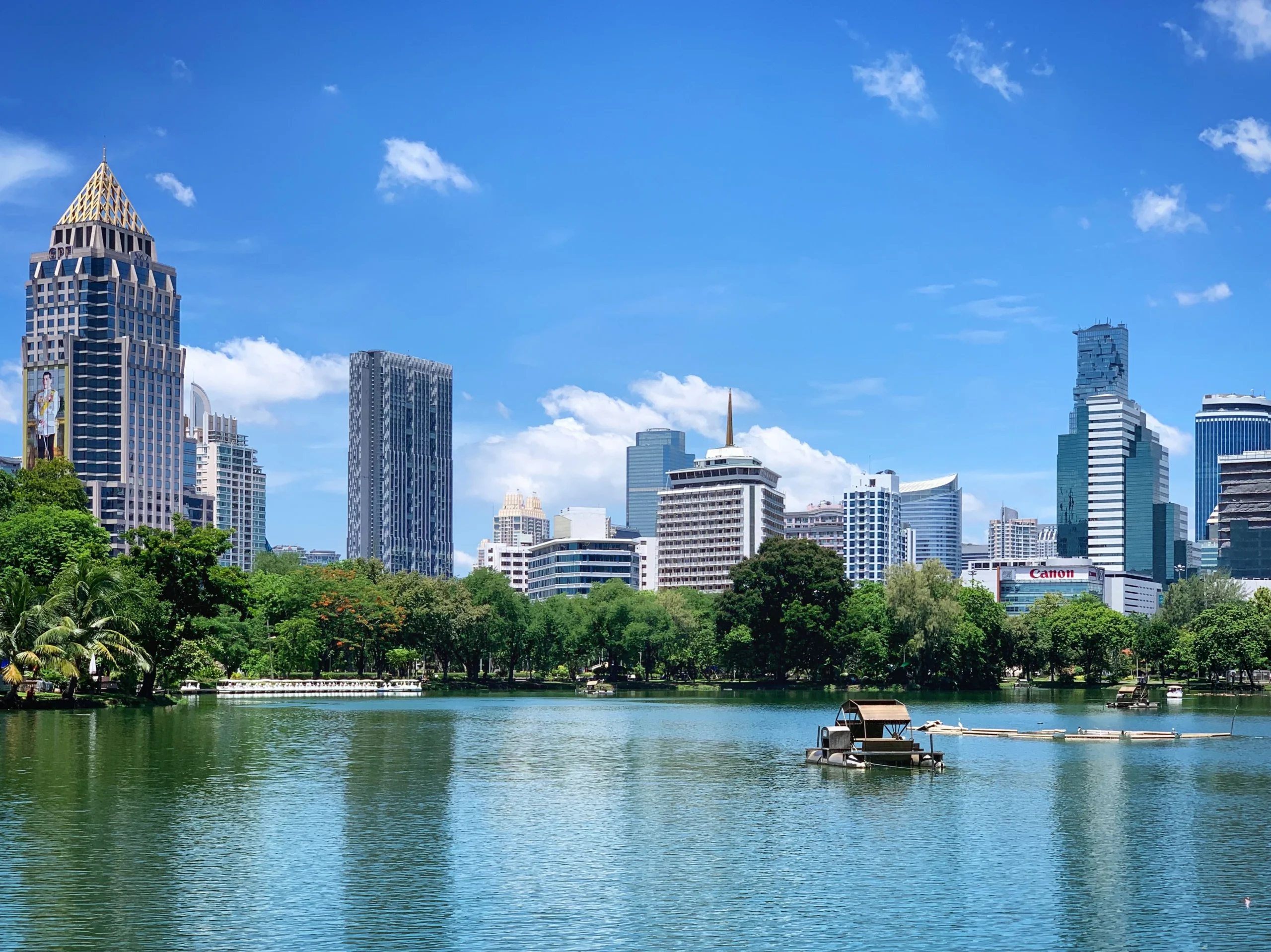
A weekend-length getaway booked with little notice still favours Thailand, assuming you’ve checked the current entry status before locking in flights. Couples planning something quick and honeymooners weighing a Thailand honeymoon against a Vietnam honeymoon and who don’t want visa admin competing with wedding planning fall into this camp too.
A trip with real lead time, where predictability matters more than saving a day of paperwork, points toward Vietnam. It also suits travellers who’ve already done a Thailand trip or two and want something that feels less templated.
Families travelling with young kids or ageing parents tend to lean Thailand regardless, mostly because of shorter flight time and infrastructure that’s had over a decade to mature around Indian tourists specifically, which is also why Thailand holiday packages built for families tend to be easier to customise around younger kids or older parents. Friends travelling together with a slightly longer window often get more out of Vietnam’s contrast between its cities and its countryside than they would repeating a Thailand itinerary that half the group has probably already done, and it’s usually where Vietnam holiday packages built around one region rather than the whole country work best.
Common mistakes worth avoiding
Assuming the old 60-day stay still applies. Since 15 September 2026 it is 30 days, and the rules could shift again.
Applying for a Vietnam e-visa two days before departure. Three to five working days is the standard, not the maximum, and payment issues with international cards do happen.
Treating Vietnam as a single destination when it’s really two or three, depending on how much time you have.
Assuming the visa fee is the number that matters most. It rarely is.
Where this leaves you
Neither country has actually become difficult. Thailand’s real shift is that its biggest selling point, guaranteed visa-free entry, stopped being something you could take for granted the moment it got rewritten twice in one year. Vietnam’s advantage was never speed. It was that nothing about its process has needed a second look in years.
Check the current entry rule before you book, not after. Then let the shape of the trip you actually want, a tight week between a city and a beach versus a longer, deeper dive into one region, make the real decision for you.
Planning an international holiday and need some help? Contact Naviora Journeys today for expert assistance and customised holiday packages.
Frequently asked questions
Is Thailand still visa-free for Indians right now?
Yes, Thailand visa free for Indians is the current rule. Since 15 September 2026, Indian tourists can stay up to 30 days without a visa. Carry THB 20,000 in cash per person and fill in the Thailand Digital Arrival Card within 72 hours before arrival. The rules changed twice this year, so check again a week before you fly.
How long does a Vietnam e-visa actually take?
Three to five working days through the official portal, so apply at least two weeks out to leave room for anything that goes wrong.
Can Indians enter Vietnam without a visa at all?
Only if you fly directly into Phu Quoc Island and stay there. Any itinerary touching the mainland needs a visa.
Is Thailand cheaper because of the visa situation?
Right now, yes, since there’s no fee at all. If that changes, the gap would likely be small and wouldn’t meaningfully move your total trip cost either way.
Which is the safer pick for a first international trip?
Thailand, mainly because of flight time and how established the tourist infrastructure is. Vietnam works just as well for first timers who don’t mind completing a short online application and want something a little less familiar.